

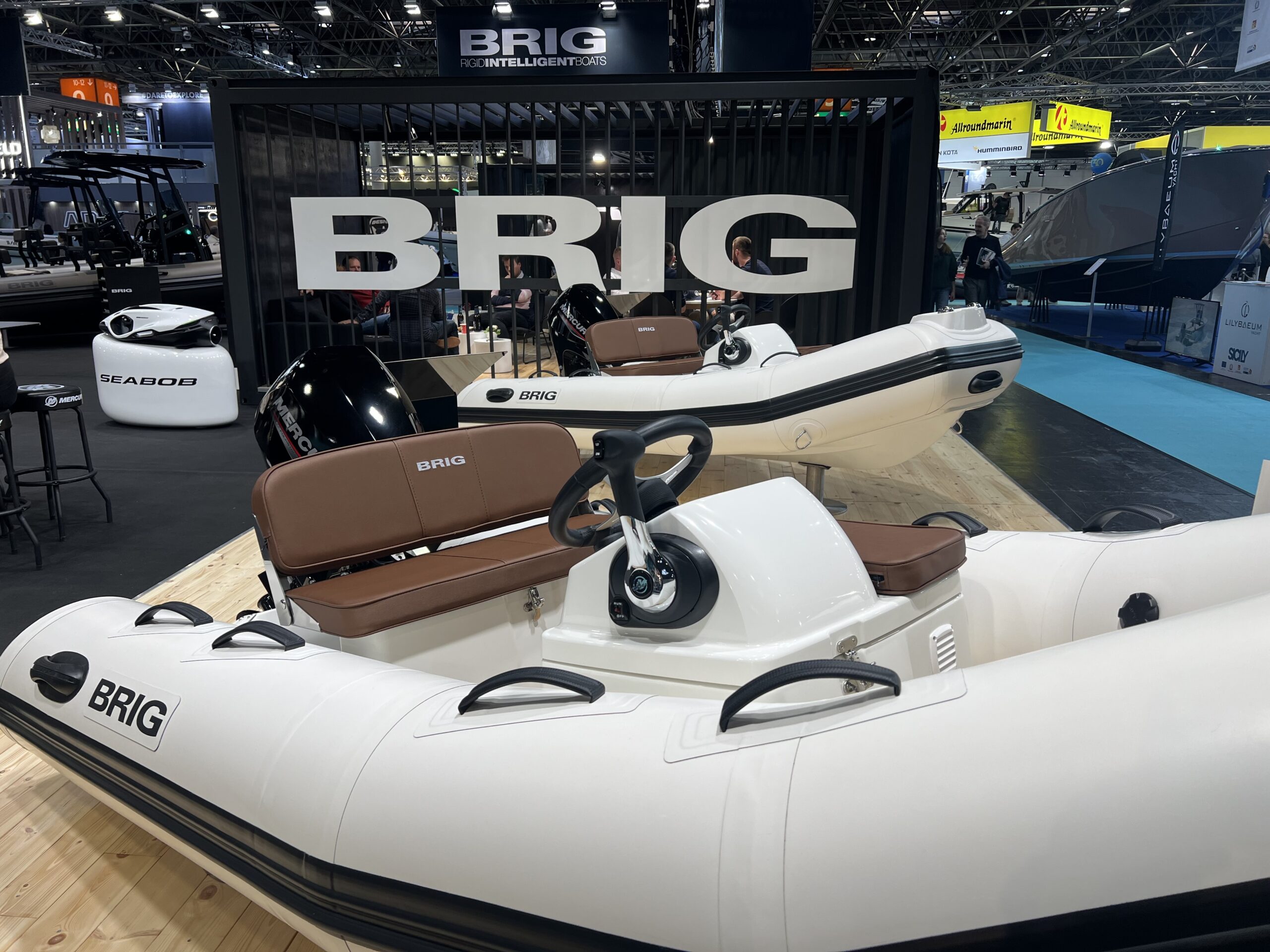

For many people, the first encounter with a Rigid Inflatable Boat happens alongside a much larger vessel. A RIB arrives at the quay, collects a few passengers and carries them out to a yacht waiting at anchor. It looks practical, efficient and rather good at its job.
And then it disappears behind the yacht.
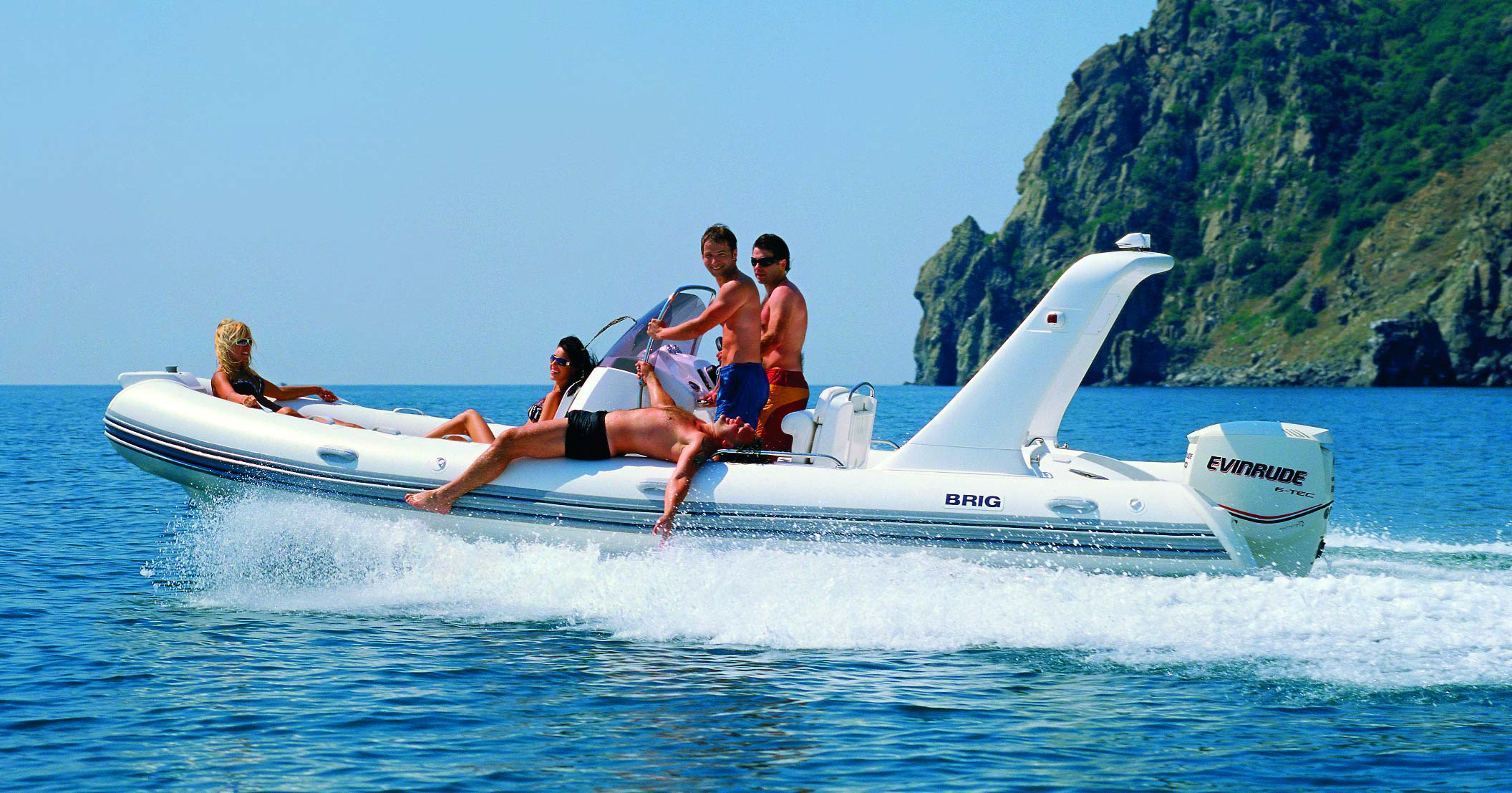
It’s an understandable introduction, but it tells only a small part of the story. While RIBs have earned their reputation as dependable tenders, they have also developed into remarkably versatile recreational boats in their own right. From short trips to a favourite beach to full days exploring the coastline, a RIB can become the centre of an entire boating lifestyle.
The appeal lies in how many different experiences can begin with the same boat.
A boat for the everyday adventures
Not every memorable day on the water requires a long passage or an elaborate plan.
Sometimes the best outing begins with a simple decision to leave the marina for a couple of hours. You might follow the coastline, find a quiet bay, stop for a swim and return before lunch.
RIBs are particularly well suited to this kind of spontaneous boating. Depending on the model, their layouts can offer straightforward movement around the deck, comfortable seating and practical access to the water.
Their relatively compact dimensions, compared with larger cruising yachts, can also make them appealing for owners who want to spend more time boating and less time preparing for it.
Of course, ease of use depends on the boat’s size, equipment and storage arrangements. A RIB kept afloat at a marina offers a different level of spontaneity from one that must be launched from a trailer.
But the underlying attraction remains: a boat that encourages you to use it.
Coastal cruising without the complexity
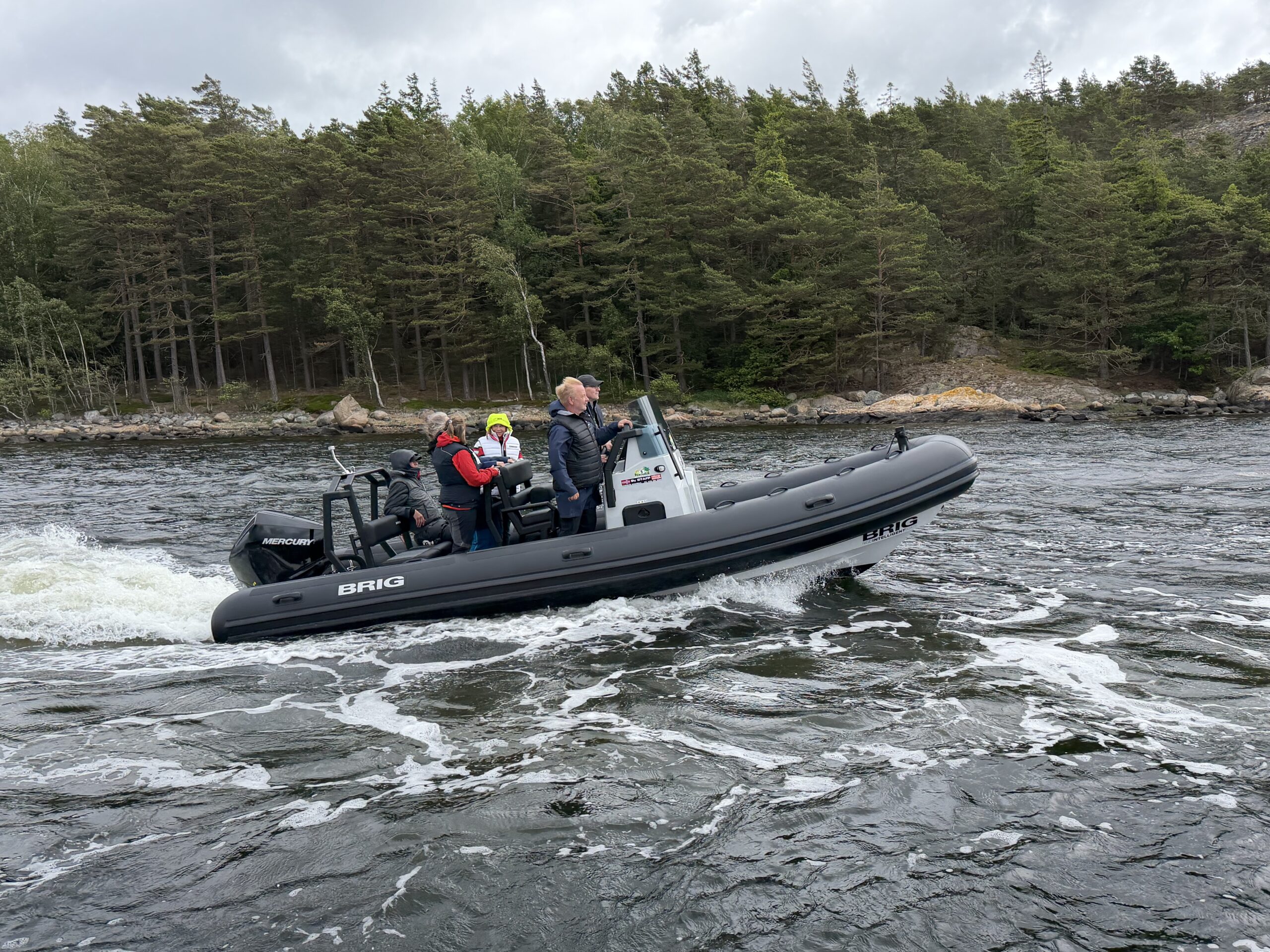
One of the most enjoyable uses for a recreational RIB is coastal exploration.
Travelling by water changes the way familiar places look. Beaches that seem ordinary from the road become inviting from the sea. Small harbours reveal their character as you approach from offshore, and stretches of coastline that appear inaccessible on a map suddenly become part of the journey.
A suitable RIB can make these experiences accessible without requiring the facilities of a much larger vessel.
A day might involve travelling between coastal towns, stopping for lunch in a harbour or visiting an anchorage that would otherwise require a lengthy walk.
The boat’s size, fuel range, seaworthiness and equipment must match the intended route. Navigation, weather and local restrictions remain important regardless of how close the destination appears.
The pleasure comes from having a boat that suits the journey, rather than needing to make the journey suit the boat.
(Internal link: How to Choose a RIB for Coastal and Offshore Boating.)
Swimming, snorkelling and beach days
A RIB makes an excellent base for activities in and around the water.
With an appropriate boarding arrangement, passengers can enjoy swimming and snorkelling without needing a marina or beach facility nearby. Some layouts provide sunbathing areas, comfortable seating and space for towels, masks and other equipment.
The inflatable collar also gives a RIB its distinctive perimeter, although it should not be treated as a substitute for proper boarding equipment or safe procedures.
Before anyone enters the water, the engine must be shut down and the skipper should ensure that the boat is safely positioned. A suitable boarding ladder, awareness of currents and careful supervision are essential.
For families, the attraction is often the freedom to create their own little destination: an afternoon of swimming, relaxing and enjoying a place that feels wonderfully removed from everyday life.
{Illustration: A BRIG RIB anchored in a sheltered bay with swimmers nearby and a proper boarding ladder deployed. Show safe separation from the propulsion system.}
Watersports and active boating
A RIB can also provide the platform for a more energetic day.
Depending on its design, approved towing arrangements and engine configuration, it may be suitable for activities such as wakeboarding, waterskiing or towing recreational inflatables.
The important distinction is that not every RIB is equipped or approved for every watersport.
Safe towing requires appropriate attachment points, suitable equipment, competent operation and observance of local regulations.
For owners who enjoy combining a coastal cruise with a little excitement on the water, a suitably configured RIB can offer an appealing balance.
(Internal link: RIBs and Watersports: What Makes a Good Tow Boat?)
Fishing and exploring
RIBs also have a long history as practical working boats, and many of the characteristics that make them useful professionally translate naturally into recreational fishing.
Open deck layouts, appropriate storage and the ability to move around the boat can be valuable when handling rods and equipment.
Some RIBs are designed with fishing or utility applications particularly in mind. Others prioritise social seating and family comfort.
The right choice depends on how seriously fishing features in your boating plans.
Even owners who rarely fish may appreciate a boat that allows them to explore different coastal locations, observe wildlife or simply enjoy the sea away from crowded destinations.
Family boating and shared experiences
Perhaps the greatest strength of a versatile recreational RIB is that it can accommodate different interests within the same day.
One person wants to swim. Another would rather relax in the sunshine. The children are interested in exploring a nearby cove, while someone else is already thinking about lunch.
A suitable family RIB can bring these activities together.
The details matter: secure seating, sensible circulation space, handholds, shade and storage can make the difference between a pleasant outing and a tiring one.
Passenger capacity should never be confused with comfortable seating capacity, and the boat must always be operated within its approved limits.
When the layout suits the people aboard, however, a RIB can become a wonderfully social place.
(Internal link: RIBs for Family Boating: Why Stability and Space Matter.)
The yacht tender that becomes the favourite boat
There is a curious thing about well-chosen yacht tenders: sometimes they end up being used more enthusiastically than the yacht itself.
A tender might begin the morning delivering guests ashore, then take everyone swimming before becoming the transport for a waterfront lunch.
On a larger yacht, the tender often provides access to the places and experiences that make the voyage memorable.
This is why choosing a tender involves more than matching dimensions and lifting capacity. Comfort, handling, boarding and practical versatility matter too.
(Internal link: The RIB as a Yacht Tender: The Boat That Does the Real Work.)
One boat, many personalities
A RIB’s character depends heavily on its design.
A practical, open-deck model may be particularly appealing for fishing, exploring and active use. A more comfort-oriented design may offer generous social seating, sunbathing areas and features that make family outings enjoyable.
Within the BRIG range, the Navigator and Eagle families illustrate these different approaches to recreational boating, although individual models and configurations should always be considered on their own merits.
Neither approach is universally better. The most useful boat is the one that fits the experiences its owner wants to enjoy.
More than a means of getting somewhere
A RIB can take you to a beach, a restaurant, a fishing spot or a neighbouring island. But its appeal isn’t limited to the destination.
Sometimes the best part is the journey itself: the coastline passing by, the changing light on the water and the feeling of having an afternoon entirely to yourself.
A good RIB doesn’t need to do everything. It needs to do the things you love well enough that you keep finding reasons to head out.
And once you start looking at it that way, calling it just a tender feels rather unfair.