

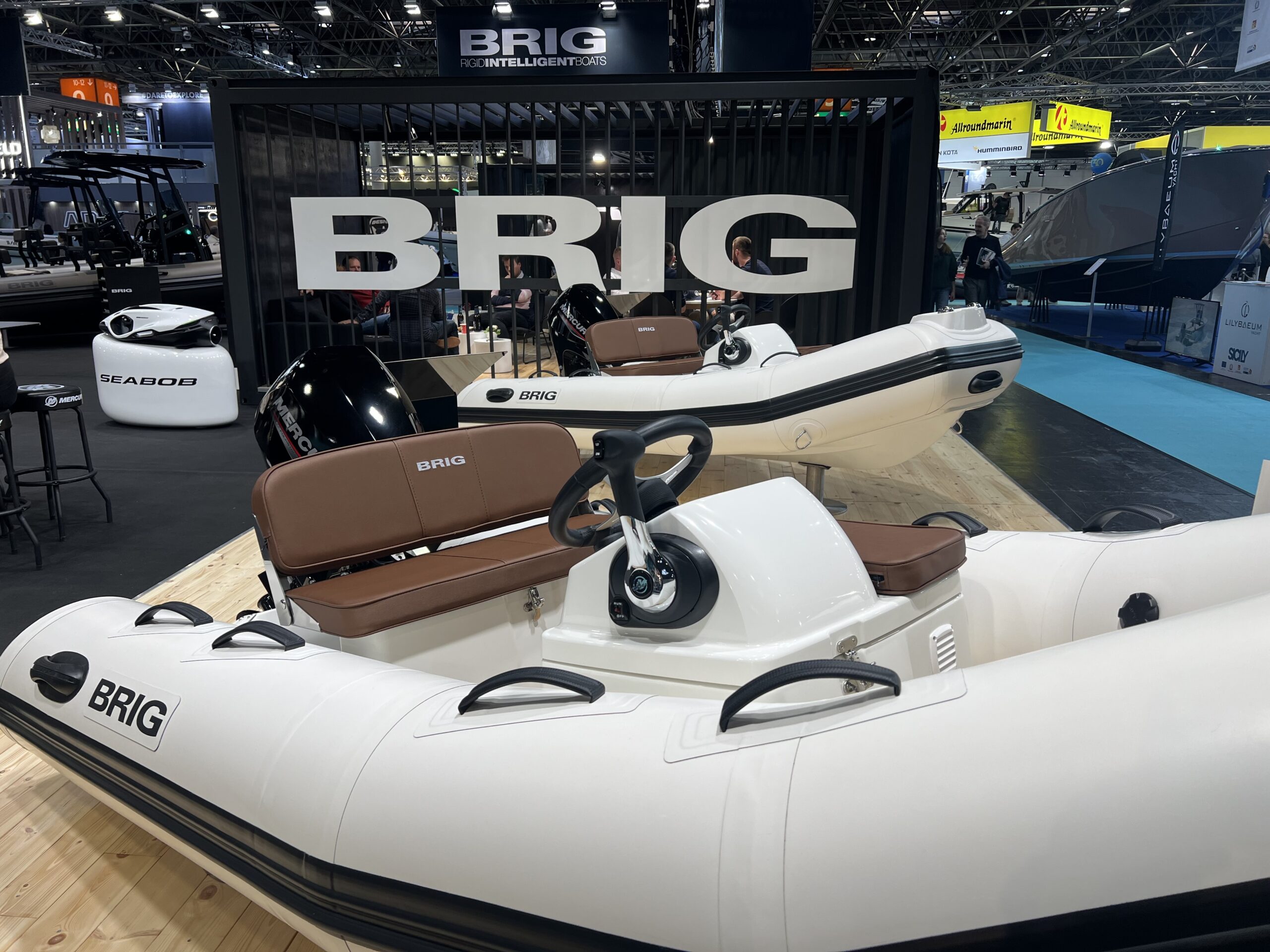
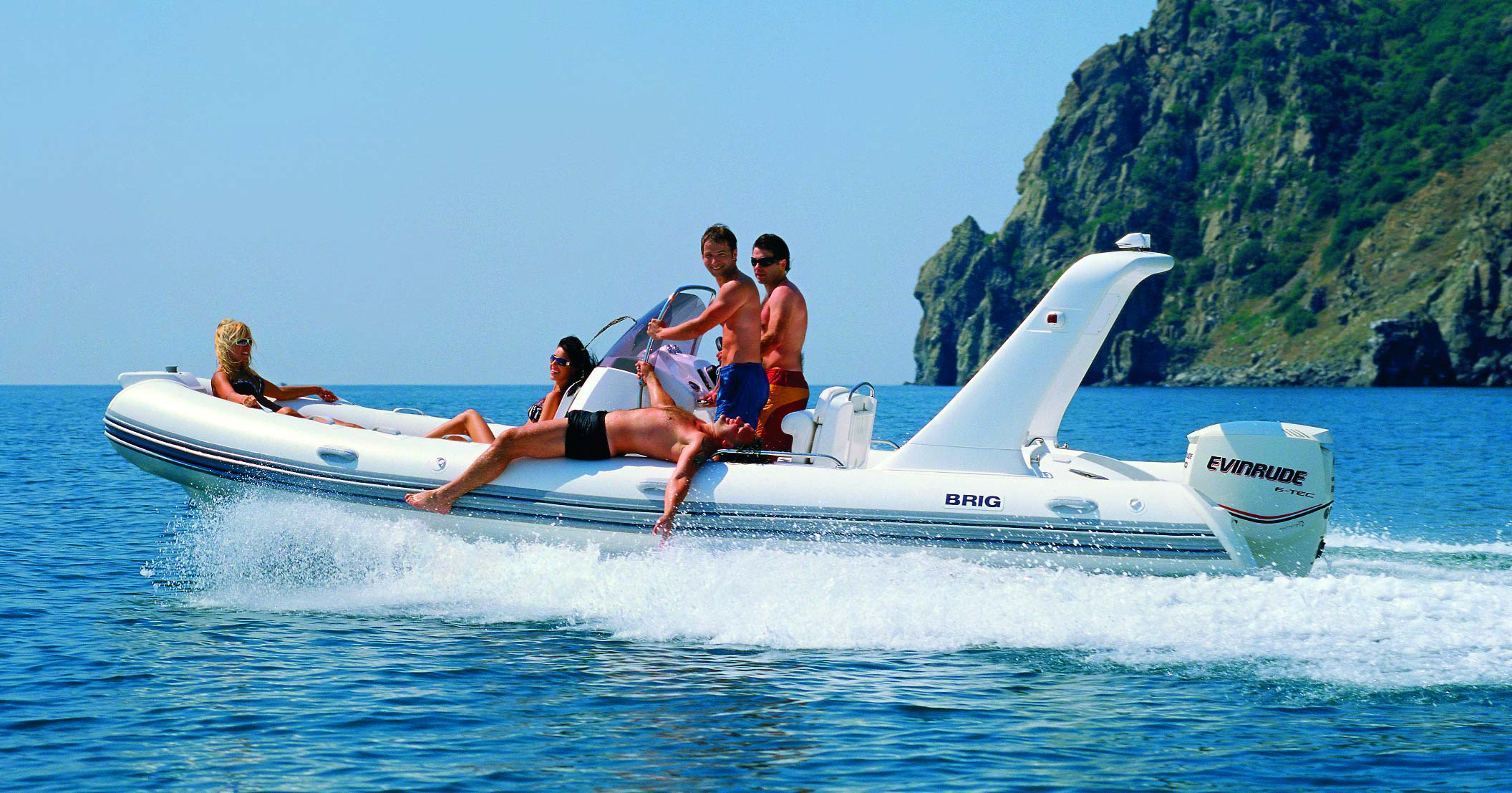
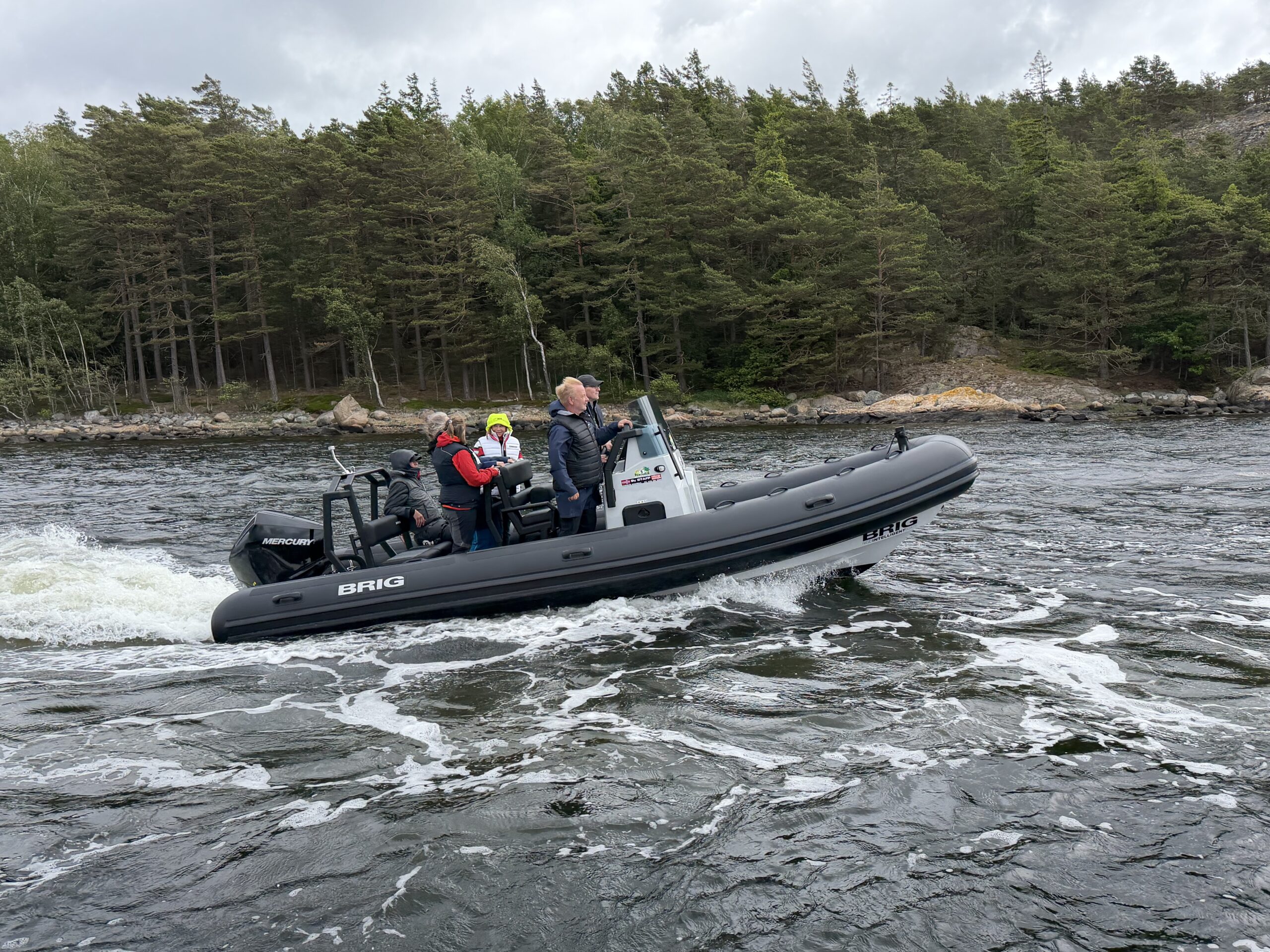



The inflatable collar is what makes a RIB immediately recognisable.
It gives the boat its distinctive appearance and contributes to its buoyancy and behaviour on the water. It is also one of the components owners tend to notice most closely, particularly when the boat is new.
Fortunately, caring for RIB tubes doesn’t have to be complicated.
The essentials are straightforward: keep them reasonably clean, protect them from unnecessary damage, maintain the correct pressure and pay attention to signs of wear.
The details depend on the tube material and construction, but good habits can help preserve their condition for years.
Know what your tubes are made from
RIB tubes are commonly manufactured using coated technical fabrics.
Two widely used material families are PVC-based fabrics and CSM-based fabrics, often called Hypalon.
These materials differ in their construction, characteristics and repair methods.
However, neither material name alone determines the quality or expected service life of a finished tube.
Fabric specification, manufacturing quality, exposure and maintenance all matter.
Before choosing cleaning or repair products, establish which material your RIB uses.
(Internal link: PVC vs CSM/Hypalon: Which RIB Tube Material Is Right for You?)
Cleaning after use
Salt, dirt, sunscreen and other contaminants can accumulate on the tubes.
Regular cleaning with freshwater and products suitable for the specific fabric helps remove contamination.
Use soft cleaning tools rather than abrasive brushes or pads.
Avoid solvents, aggressive degreasers and products not approved for the material.
A cleaner marketed for inflatable boats is not automatically suitable for every fabric, adhesive or coating.
Follow the tube manufacturer’s instructions, particularly when dealing with stubborn marks.
Tube pressure changes with temperature
Air pressure inside the tubes changes as temperature changes.
A tube inflated on a cool morning may become firmer when exposed to strong afternoon sunlight.
Conversely, a tube may feel softer after temperatures fall.
This is normal physical behaviour and does not necessarily indicate a leak.
The important point is to remain within the manufacturer’s specified pressure range and measurement procedure.
Do not inflate tubes simply until they feel hard enough.
Use a suitable pressure gauge and follow the recommendations for the actual boat.
Avoid overinflation and unnecessary deflation
Excessive pressure can place additional stress on seams and other components.
Insufficient pressure can also affect tube shape and behaviour, depending on the design.
Owners should follow the manufacturer’s guidance for normal operation, storage and temperature changes.
There is no universal rule requiring every RIB to be fully deflated during storage.
In many cases, the appropriate storage condition depends on the material, boat design and environment.
Protect the tubes from abrasion
RIB tubes are designed for marine use, but repeated rubbing against rough surfaces can cause wear.
Pay attention to contact with pontoons, trailers, lifting equipment and other boats.
Use suitable fenders and mooring arrangements rather than relying entirely on the tube’s rubbing strake.
Check areas that experience frequent contact, including boarding points and attachment patches.
Sharp edges on equipment or storage supports should not remain in contact with the fabric.
Sunlight and long-term exposure
Ultraviolet radiation and heat can contribute to the ageing of many materials.
The extent depends on the fabric and coating system.
Appropriate covers and sheltered storage may help reduce exposure when the boat is not in use.
However, covers must be fitted correctly and allow suitable ventilation.
A cover that traps moisture or rubs repeatedly against the tubes may create additional problems.
(Internal link: RIB Storage: Trailer, Marina, Davits or Garage?)
Check seams, valves and fittings
Regularly inspect seams, valves, handles, rubbing strakes and attachment patches.
Look for lifting edges, unusual wear, damage or signs of leakage.
A valve may require maintenance, but the appropriate procedure depends on its design.
Avoid tightening, dismantling or modifying valves without following the manufacturer’s instructions.
A small problem identified early is often easier to address than one ignored throughout a season.
{Illustration: A labelled tube inspection photograph identifying seams, valve, handle attachment, rubbing strake and areas commonly exposed to abrasion.}
What if a tube loses pressure?
A noticeable loss of pressure should be investigated systematically.
First consider whether temperature changes could explain the difference.
If the loss continues, a suitable leak-detection procedure may help identify the source.
Do not use inappropriate chemicals or attempt repairs without understanding the fabric and construction.
Some minor damage can be repaired by trained specialists, while extensive deterioration or seam problems may require more substantial work.
For safety-critical damage, professional assessment is the sensible choice.
Can tubes be repaired?
Many types of tube damage can be repaired, depending on the material, location and extent of the problem.
However, the repair method must be compatible with the fabric and manufacturing process.
A repair suitable for one material may not be appropriate for another.
Structural seams, attachment areas and extensive deterioration deserve specialist attention.
A properly executed repair can be a practical solution, but the quality of the work matters.
How long should tubes last?
There is no single reliable service-life figure for every RIB tube.
Ageing depends on fabric quality, construction, climate, UV exposure, storage, use and maintenance.
Two boats of the same age may have tubes in very different condition.
Rather than judging solely by age, inspect the actual material, seams and fittings.
When buying a used RIB, a specialist assessment can be especially valuable.
(Internal link: Buying a Used RIB: What to Check Before You Buy.)
A little care goes a long way
RIB tubes don’t need constant attention, but they benefit from sensible habits.
Clean them appropriately, monitor pressure, protect them from unnecessary abrasion and inspect them regularly.
If damage appears, address it using the correct materials and methods.
The aim isn’t to keep the tubes looking permanently new. It’s to keep them in good condition so the boat can continue doing what it was designed to do.