



Choosing a RIB is an enjoyable process, although the number of available models, sizes and configurations can make it surprisingly difficult to know where to begin. A boat that looks perfect at a show may not necessarily be the best match for the way you spend your weekends, while a less obvious choice might turn out to suit your boating habits remarkably well.
The simplest way to approach the decision is to start with your plans rather than the specifications. Think about where you will use the boat, who will usually come aboard and what a typical day on the water looks like. Once those questions are answered, decisions about size, layout, engine power and equipment become much easier.
There is no single RIB that is ideal for everyone. The aim is to find a boat whose design and capabilities fit naturally into your life, rather than one that merely offers the longest list of features.
Start with the way you actually use a boat
Before comparing models, it helps to picture a typical outing.
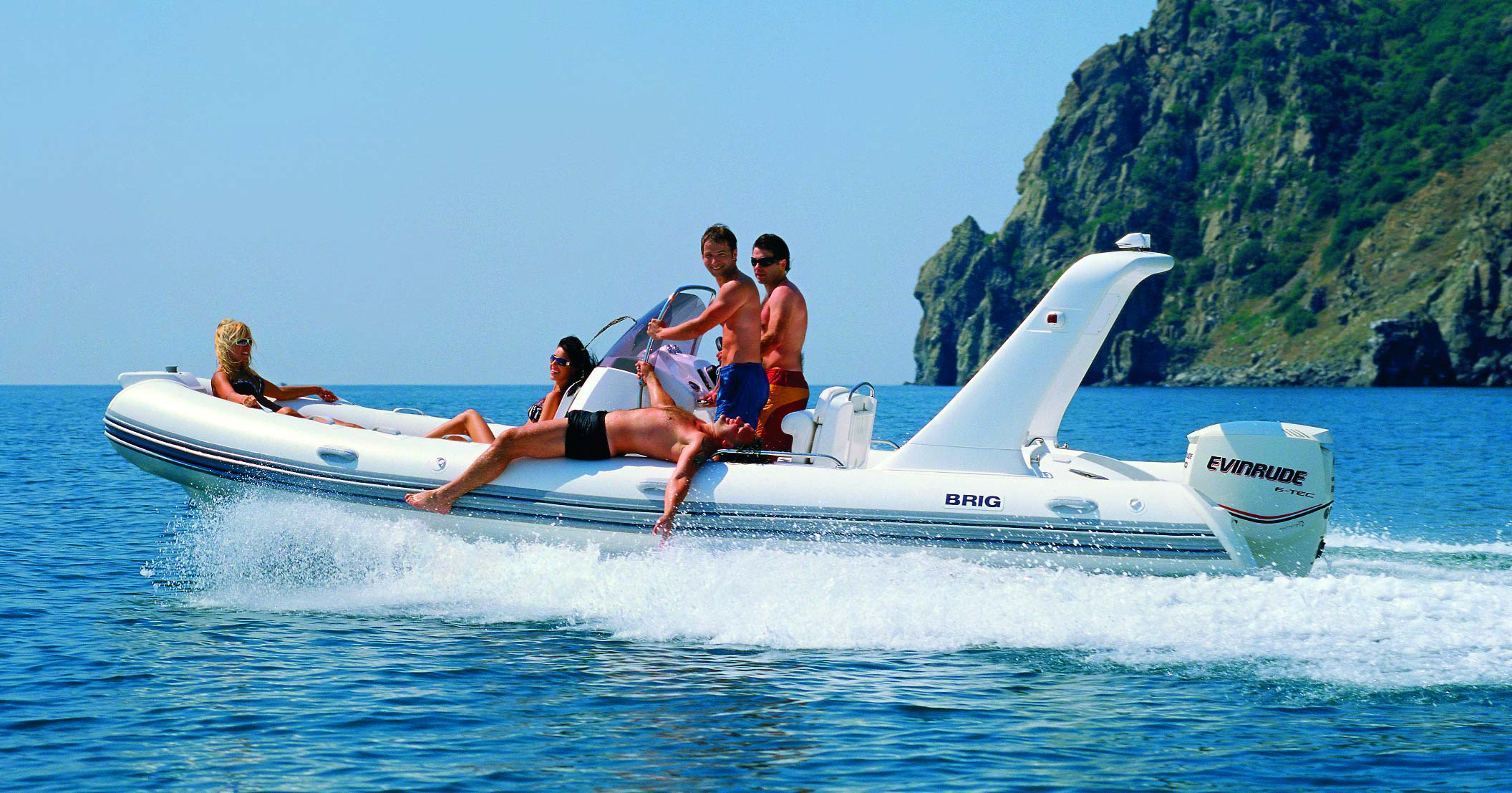
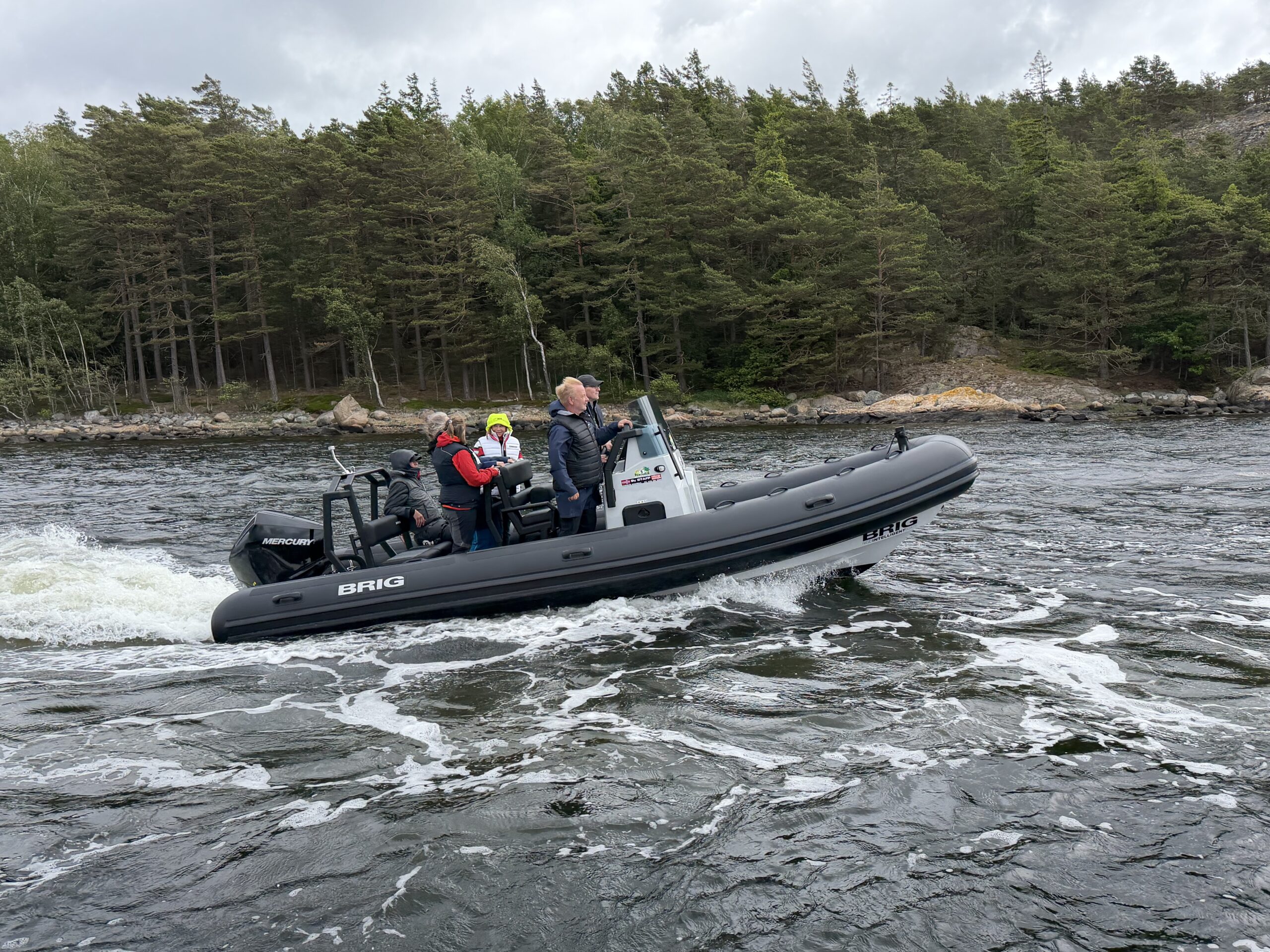
Perhaps you enjoy relaxed coastal cruising, with a few swimming stops and lunch in a nearby harbour. You might prefer exploring less familiar stretches of coastline, carrying equipment for watersports or using the boat to reach places that are difficult to access from land. Some owners spend most of their time aboard with family and friends, while others use their RIB primarily as a tender or for practical transport.
These activities place different demands on a boat. A family day cruiser benefits from comfortable seating, accessible storage and convenient boarding arrangements. A boat intended for more adventurous trips may place greater emphasis on secure movement around the deck, protection from the elements and the ability to carry equipment.
Most people, of course, do not use their boats for only one activity. It is worth identifying the two or three things you expect to do most often, then choosing a layout that handles those priorities particularly well.
A boat that is excellent at your everyday activities will usually be more satisfying than one designed around an occasional trip you may never take.
{Illustration: Three photographs showing different uses of a RIB: relaxed family cruising, coastal exploration and yacht tender duties. The images should communicate distinct boating lifestyles rather than simply show three different models.}
Think about where you will be boating
The waters you expect to use should influence your decision from the beginning.
Sheltered bays, lakes and short coastal routes may place different demands on a boat from exposed coastlines, longer passages or areas where sea conditions can change quickly. Local tides, currents, harbour approaches and weather patterns are also relevant.
Hull design and size influence how a RIB behaves in different conditions, but neither guarantees comfort or safety in every situation. The boat must be suitable for its intended operating environment, and the skipper must remain within the limits of the craft, crew and conditions.
If you regularly travel longer distances, consider the practicalities of range, fuel availability, navigation equipment, weather protection and the ability to return safely if conditions deteriorate. If most of your boating takes place close to a familiar marina, other features may be more important.
A useful approach is to speak with experienced local boaters or a knowledgeable distributor who understands the waters in which you intend to operate. Their practical experience can reveal considerations that are easy to overlook when browsing specifications.
(Internal link: How to Choose a RIB for Coastal and Offshore Boating — forthcoming article.)
Choose the size around your people and activities
Length is one of the first figures buyers compare, but it should not be considered in isolation.
A larger RIB may provide additional seating, storage, deck space and capacity for longer journeys. It may also require more space for storage, a different trailer or mooring arrangement, and potentially higher operating costs.
A smaller RIB can be convenient for shorter outings, tender duties and situations where transport and storage are important. Its suitability depends on its layout, capacity and the conditions in which it will be used.
Think about the number of people who will normally travel with you, rather than only the maximum number permitted aboard. A boat may be certified to carry a particular number of passengers, but that does not necessarily mean everyone will have the space or seating arrangement you want for a full day.
Consider where people will sit while underway, how easily they can move around and whether there is enough room for the equipment you regularly carry.
(Internal link: How Big Should Your RIB Be? — forthcoming article.)
Look carefully at the deck layout
Two RIBs of similar length can feel very different once you step aboard.
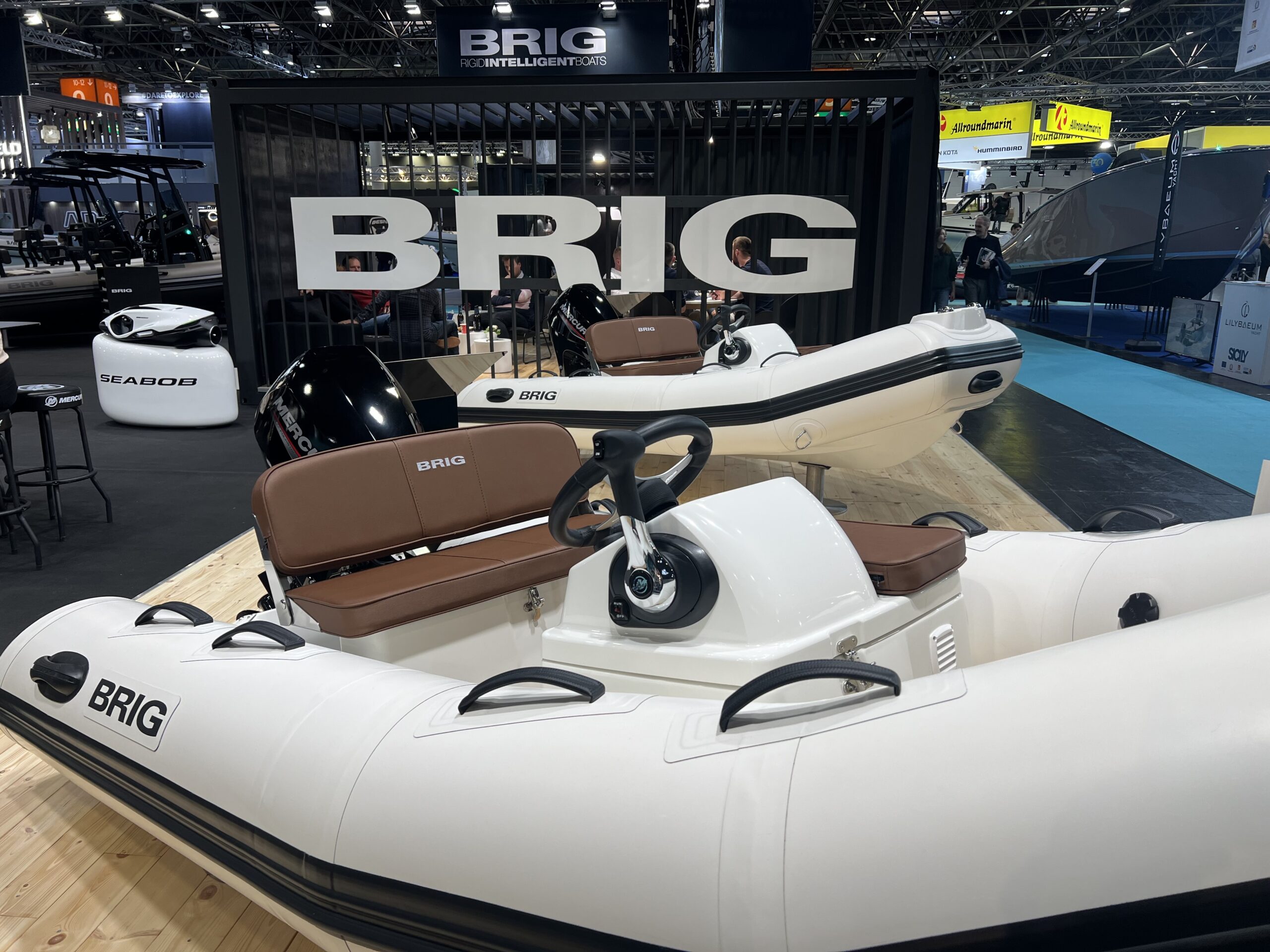
The position of the console, the arrangement of seats, the width of passageways and the location of storage compartments all influence how the space works. Some layouts prioritise social seating and relaxation, while others provide more open deck space for movement and equipment.
For family boating, comfortable seating, suitable handholds, convenient access to the water and secure storage may be important. Owners who enjoy watersports might prioritise a practical aft area and easy boarding. Those who spend longer periods underway may pay particular attention to helm ergonomics, wind protection and the comfort of the passenger seats.
It is worth walking through a few everyday scenarios when viewing a boat. Imagine boarding from a pontoon, preparing for a swim, moving between the bow and stern or retrieving equipment from storage.
A good layout should make these activities feel natural, without requiring passengers to climb over seats or rearrange the entire cockpit.
{Illustration: An overhead view of a BRIG RIB deck layout, with subtle callouts identifying seating, helm, storage, circulation routes and boarding access. Use an actual model drawing or verified photograph rather than a generic diagram that may misrepresent the layout.}
How much engine power do you need?
Engine power is important, but choosing the highest available horsepower is not always the most useful approach.
The appropriate engine depends on the hull design, the boat’s weight, the number of passengers, the equipment carried and the type of boating you intend to do. A boat used mainly for relaxed cruising may have different power requirements from one frequently carrying a heavier load or operating on longer routes.
Manufacturers specify permitted engine-power limits and often recommend suitable configurations. These should be the starting point, together with verified performance data for the particular hull and engine combination.
When comparing options, consider acceleration, cruising speed, fuel consumption, operating range and the boat’s behaviour with a realistic load. Maximum speed is only one part of the picture.
A suitable engine should provide the performance you need while remaining within the manufacturer’s limits and supporting predictable handling.
(Internal link: How Much Power Does Your RIB Really Need? — forthcoming article.)
Understand the hull and tube materials
A RIB’s construction influences its weight, maintenance requirements, durability and suitability for different uses.
Many recreational RIBs use fibreglass hulls, while aluminium is another established option. Each material has advantages and trade-offs, and the best choice depends on the boat’s design and intended operating environment.
The inflatable tubes also deserve attention. Common tube fabrics include PVC-based materials and CSM-based fabrics, often referred to by the familiar Hypalon name. Their properties, construction methods and maintenance requirements differ.
Neither hull material nor tube fabric should be judged by a single characteristic. Quality of manufacture, the intended application, local climate, storage conditions and long-term care all influence the ownership experience.
Ask the manufacturer or distributor which materials are used on the particular model, what maintenance they require and what repair support is available.
(Internal links: PVC vs CSM/Hypalon: Which RIB Tube Material Is Right for You? and Fibreglass or Aluminium? Choosing the Right RIB Hull — forthcoming articles.)
Consider comfort beyond the seats
Comfort is easy to associate with cushions and sunbeds, but a comfortable boat involves much more.
Helm position, visibility, wind protection, passenger handholds and the way the hull behaves underway all contribute to the experience. The location of seating relative to the boat’s movement can also affect how passengers feel during a longer journey.
Think about the conditions in which you will normally use the boat. A T-top or canopy may be useful in sunny climates, while a windscreen and suitable seating arrangement can make longer trips more pleasant. The availability and effectiveness of these features vary between models.
Comfort at anchor matters too. A practical swimming platform, convenient boarding ladder, usable seating and accessible storage can make a considerable difference during a day spent moving between cruising and relaxing.
The best way to assess comfort is to spend time aboard and, if possible, take a sea trial with a realistic number of passengers.
Think about ownership before buying
The practical side of boat ownership is worth considering before settling on a model.
Where will the boat be kept? Will it stay in a marina, be stored on a trailer or be carried aboard a larger yacht? How will it be launched and recovered? Is suitable servicing available nearby?
These questions can influence the size and configuration you choose. A boat that fits your intended mooring or storage arrangement may be more convenient to own than one that requires additional facilities or complicated transport.
Budgeting should also go beyond the purchase price. Insurance, mooring or storage, servicing, fuel, maintenance and transport can all contribute to the ongoing cost of ownership.
For owners who intend to tow, the complete boat-and-trailer weight must be compatible with the towing vehicle and applicable regulations. For yacht tenders, lifting arrangements, available space and the yacht manufacturer’s limits are essential considerations.
(Internal links: RIB Storage: Trailer, Marina, Davits or Garage? and How to Choose a Yacht Tender — forthcoming articles.)
Learn to read the specifications
A specification sheet is useful, provided you understand what the figures mean.
Length, beam, weight, fuel capacity, passenger capacity and engine-power limits can help narrow the options. However, these figures need context.
Published weight may exclude the engine, fuel or optional equipment. Fuel capacity does not tell you the boat’s range without information about consumption and operating conditions. Maximum passenger capacity is not the same as comfortable seating for a long journey.
When comparing models, check that the figures use equivalent definitions and refer to similar configurations. If something is unclear, ask for clarification rather than assuming that two numbers describe the same thing.
Specifications are most useful when combined with an understanding of the boat’s layout, intended use and real-world performance.
(Internal links: RIB Specifications Explained: How to Read the Numbers — forthcoming article; RIB Weight Explained: Why Every Kilogram Matters.)
Take a sea trial if possible
Photographs, specifications and showroom visits are valuable, but they cannot fully communicate how a boat feels underway.
A sea trial gives you the opportunity to assess the helm position, visibility, seating comfort, acceleration, turning behaviour and general handling. It also helps you understand how the boat responds to the conditions encountered during the trial.
Where practical, try to arrange a demonstration with a load that resembles your normal use. A boat carrying only the driver may behave differently from one carrying several passengers and their equipment.
Pay attention to how easily you can move around the boat, operate the controls and communicate with passengers. Ask the dealer to explain the boat’s systems and the manufacturer’s operating recommendations.
A sea trial is not a guarantee of performance in every condition, but it is one of the most useful ways to move from comparing specifications to understanding the actual boat.
A simple checklist before making your choice
Before committing to a particular RIB, make sure you can answer the following questions:
- Where will I use the boat most often?
- What activities will make up most of my boating?
- How many people will normally be aboard?
- Which layout features are essential, and which are simply nice to have?
- What size and engine configuration suit my intended use?
- Where will I store, launch and maintain the boat?
- What will the total cost of ownership look like?
- Have I checked the manufacturer’s specifications and operating limits?
- Have I had the opportunity to inspect the boat and, ideally, try it on the water?
These questions will not produce one universal answer, but they will help you identify which compromises matter most.
The right RIB is the one you will enjoy using
Choosing a RIB involves balancing performance, comfort, practicality and cost. A larger boat may offer more space and equipment, while a smaller one may be easier to transport and manage. One layout may be ideal for family cruising, while another is better suited to active days on the water.
The most useful approach is to begin with your boating habits and let them guide the specifications. Once you know what you want the boat to do, it becomes much easier to decide which features deserve priority.
A well-chosen RIB should make the activities you enjoy straightforward, comfortable and rewarding. The best choice is not necessarily the largest, fastest or most extensively equipped model, but the one that feels right for the way you want to spend your time on the water.