

When choosing a boat, it is easy to focus on length, engine power, seating or the price on the specification sheet. Yet one of the first decisions is more fundamental: should you choose a Rigid Inflatable Boat (RIB), with its inflatable tubes and rigid hull, or a conventional hard-sided boat?
Both types can be excellent on the water. Both come in a wide range of sizes and layouts, and both can be designed for anything from relaxed family outings to more demanding coastal journeys. The difference lies in how their construction influences everyday use, handling, available space and ownership.
Understanding these differences makes it easier to look beyond appearances and choose a boat that fits the way you actually spend time on the water.
First, what are we comparing?
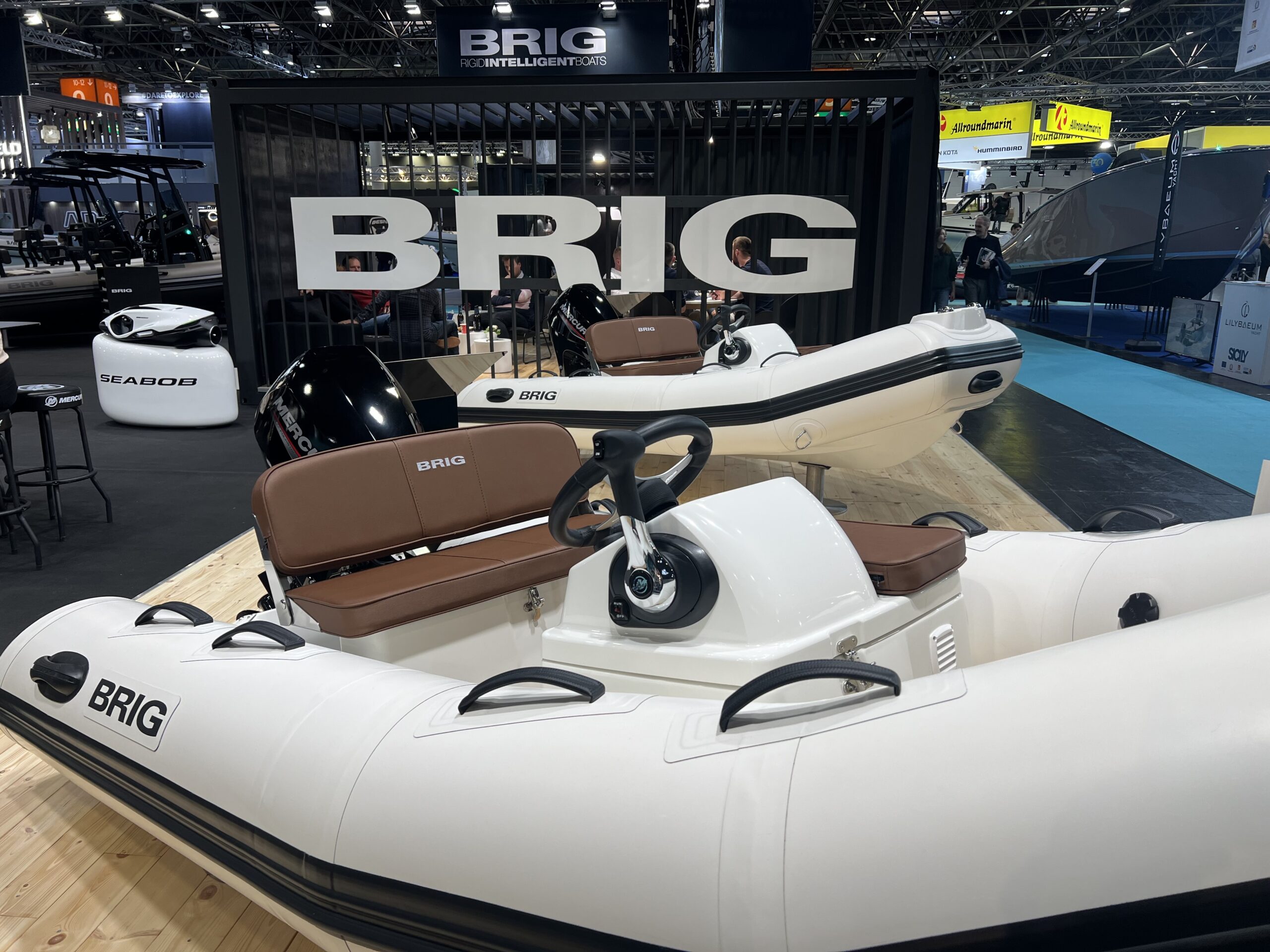
A RIB combines a rigid hull with inflatable tubes, usually made from a durable marine fabric. The hull provides the underwater shape, while the tubes form a buoyant perimeter around the boat.
A conventional hard-sided boat has rigid sides instead of an inflatable collar. This category includes many different designs, from open runabouts and bowriders to cabin cruisers and larger recreational vessels.
That distinction matters because there is no single type of hard boat. An open runabout and a cabin cruiser may have very different layouts, just as a compact tender and a large recreational RIB serve different purposes.
For a useful comparison, it helps to consider boats of similar size and intended use. A family looking for a day boat, for example, might compare a recreational RIB with an open hard-sided runabout. Someone who needs enclosed overnight accommodation would be comparing a different set of options.
(Internal link: What Is a RIB? A Simple Guide to Rigid Inflatable Boats)
{Illustration: A simple side-by-side diagram identifying the rigid hull and inflatable collar on a RIB, and the rigid hull and sides on a conventional hard-sided boat. Keep the diagram neutral and technically accurate.}
1. Construction: rigid hull, inflatable tubes
The most obvious difference is also the one that influences many of the others.
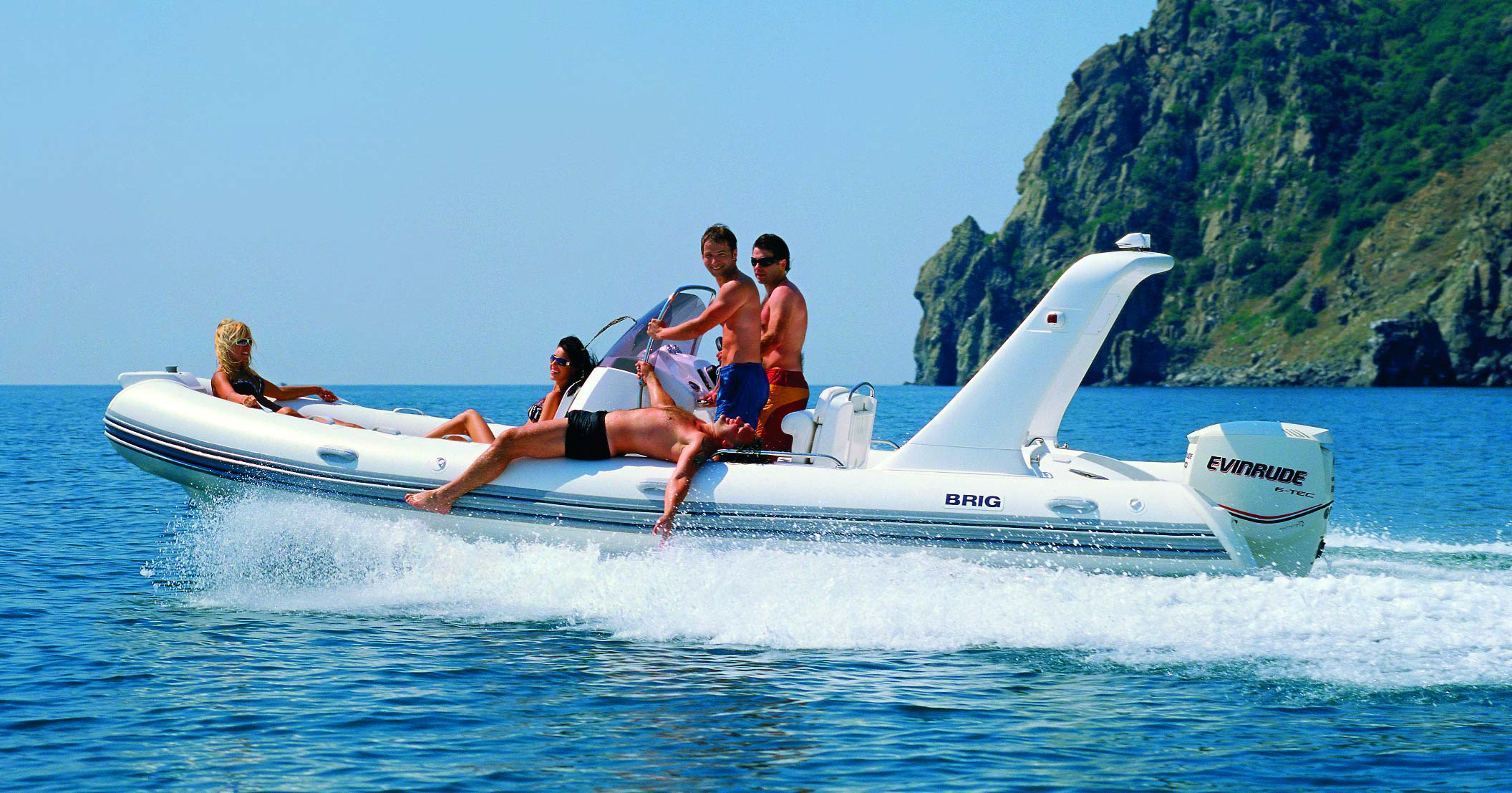
On a RIB, the inflatable collar contributes buoyancy and provides a relatively soft surface around the boat’s perimeter. This can be useful when coming alongside a pontoon, approaching another vessel or using the boat as a tender. It also gives the boat its distinctive appearance.
On a conventional hard-sided boat, the sides form part of the rigid structure. Depending on the design, they may allow for different arrangements of storage, seating, interior space or cabin accommodation.
Neither construction is automatically better. The RIB’s collar offers practical benefits, but it also requires care and inspection. Rigid sides avoid the need to maintain inflatable tubes, but they do not provide the same soft perimeter.
There are also differences within each category. Tube diameter, material, attachment method and hull design vary between RIBs. Hard-sided boats vary in hull shape, construction material and structural design. The quality of the finished boat depends on these details, not simply on which category it belongs to.
2. Stability and buoyancy: related, but not the same
The tubes on a RIB provide additional buoyancy along the sides. They are an important part of the boat’s design and can contribute to its behaviour when floating, carrying passengers and operating on the water.
However, buoyancy should not be confused with stability. Stability depends on the boat as a whole, including its beam, hull shape, centre of gravity, weight distribution and loading. The contribution of the tubes varies with their dimensions and how they interact with the hull and water.
A conventional hard-sided boat can also be very stable when designed and loaded appropriately. Its behaviour depends on its particular hull form and intended use.
For buyers, the practical lesson is straightforward: do not judge stability by appearance alone. Compare the manufacturer’s specifications, intended operating conditions, capacity limits and, where possible, the way each boat behaves during a sea trial.
(Internal link: What Makes a RIB Stable? The Science Behind the Tubes and Hull)
[Chief Designer interview suggestion: Ask how the tube geometry and hull design work together on a modern RIB, and which stability characteristics buyers should look at when comparing boats.]
3. Ride comfort: the hull matters more than the label
RIBs are often associated with a confident ride in choppy water, but the inflatable tubes are only part of the explanation.
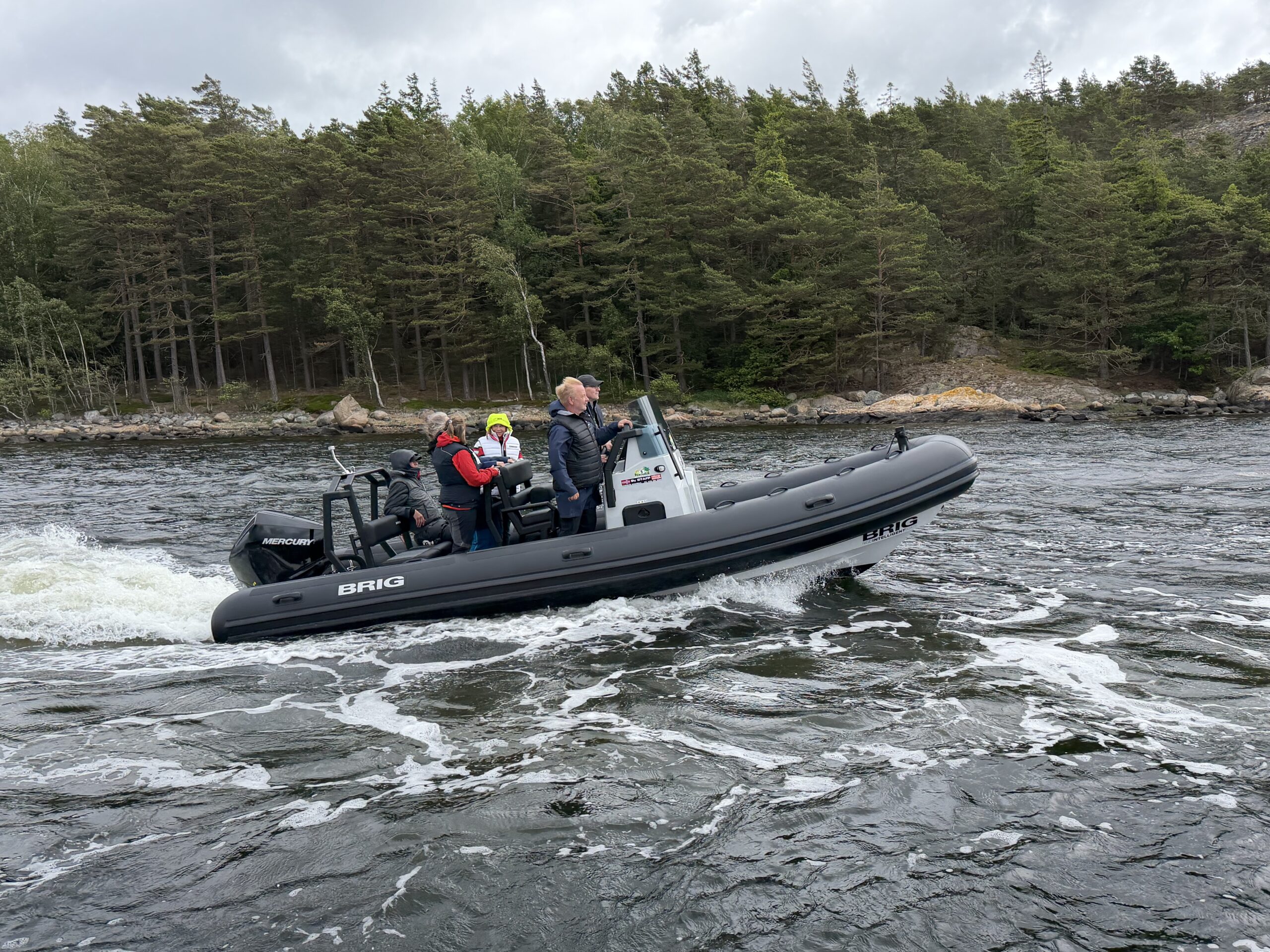
The hull’s shape, length, deadrise, weight distribution and interaction with waves have a major influence on ride quality. Many recreational RIBs use deep-V hulls designed to help them handle waves in a controlled way. Conventional hard-sided boats also use a variety of hull designs, some intended for similar conditions.
A RIB with a well-designed hull may provide a comfortable ride at an appropriate speed, but not every RIB will ride better than every hard-sided boat. A poorly matched hull, excessive speed, unsuitable loading or unfavourable conditions can affect the experience on either type.
Comfort also means more than the way a hull meets a wave. Seating, suspension, wind protection, handholds, cockpit layout and the ability to move around safely all affect how passengers feel during a journey.
When comparing boats, think about the waters you expect to use, how far you usually travel and who will be on board. A short sea trial in calm conditions may not tell you everything you need to know about the boat’s behaviour in the conditions you encounter most often.
(Internal link: Why RIBs Ride So Well: Understanding the Deep-V Hull)
{Illustration: Two boats of comparable size underway in moderate conditions, accompanied by a simple illustration of different hull profiles. Avoid suggesting that either category is always more comfortable or safe in rough water.}
4. Deck space and layout: where the design becomes personal
The inflatable collar occupies space around the perimeter of a RIB. In return, it provides buoyancy and a soft boundary around the boat. How much usable space remains depends on the boat’s overall dimensions and layout.
A well-designed RIB can make effective use of its footprint, with seating, storage, sunbeds and open areas arranged around the intended activities. Larger recreational models may offer substantial social spaces while retaining the advantages of the inflatable collar.
Hard-sided boats have different possibilities. Their rigid sides can be incorporated into seating, storage and cabin structures, depending on the design. Boats intended for overnight stays may offer enclosed accommodation that an open RIB does not.
It is worth looking at the layout rather than assuming that one type automatically provides more room. A boat with a longer overall length may still have a different usable deck area from another of similar dimensions. The position of the console, seating, engine well and storage compartments all affect how the space works.
Before choosing, picture a typical day. Where will everyone sit while underway? Can passengers move between the bow and stern without awkward manoeuvres? Is there somewhere to store bags, towels and safety equipment? Is access to the water convenient for swimming? Does the boat offer enough shelter for the conditions in which you expect to use it?
Those details will tell you more about practical comfort than the category name alone.
5. Contact with docks, pontoons and other boats
This is one area where the RIB’s construction makes a clear practical difference.
When a RIB comes alongside, its inflatable collar provides a forgiving contact surface. That can be useful in marinas, when transferring between boats or when a RIB is used as a tender. It does not replace careful manoeuvring, appropriate fenders or attention to wind and current, but it is a useful characteristic of the design.
A hard-sided boat relies on its hull and suitable fenders to protect against contact. This is normal practice and works well when the boat is handled correctly, but it is a different arrangement.
The tubes can also be helpful when boarding from a pontoon or another boat, although the safe method depends on the particular layout and available handholds. Passengers should always use the intended boarding points and avoid treating the collar as a step unless the manufacturer specifically designed it for that purpose.
For owners who frequently move between vessels, visit beaches or use a boat in close quarters, this difference may be one of the most noticeable advantages of a RIB.
6. Weight, power and performance
There is no universal rule that RIBs are lighter or faster than hard-sided boats of the same length. Construction materials, hull design, equipment, fuel capacity, engine choice and onboard load can produce substantial differences.
A RIB’s tubes contribute to its overall design and weight, while its rigid hull determines much of its performance on the water. A hard-sided boat may be built from different materials and designed around other priorities, such as enclosed accommodation or additional structural features.
Performance is best assessed as a complete package. The engine and propeller must suit the hull, while weight distribution and loading influence how the boat accelerates, handles and uses fuel. Top speed alone says relatively little about efficiency or suitability for a particular owner’s needs.
Think about the performance you will actually use. A boat that cruises comfortably at the speed you prefer, has an appropriate range and handles predictably may be a better choice than one that offers a higher maximum speed but does not match your typical journeys.
(Internal link: Inflatable? Yes. Sluggish? Absolutely Not: How a RIB Gets Its Speed)
[Chief Engineer interview suggestion: Which factors have the greatest influence on real-world performance and fuel consumption when comparing boats of similar size?]
7. Maintenance and long-term ownership
Both RIBs and hard-sided boats require regular maintenance. Engines, steering systems, electrical equipment, safety gear and the hull all need appropriate inspection and care.
A RIB has an additional component to look after: the inflatable collar. Its condition should be checked in accordance with the manufacturer’s recommendations, including the tubes, seams, fittings and attachment points. The appropriate cleaning and storage procedures depend on the tube material and the conditions in which the boat is used.
A conventional hard-sided boat does not require inflatable-tube maintenance, but it is not maintenance-free. Its hull and deck need to be cared for, and the boat’s construction materials, finishes and systems have their own requirements.
The cost and effort involved will depend on the particular model, equipment, use and storage arrangements. It is therefore better to compare the maintenance schedules and expected ownership costs of the boats you are considering than to assume that one category will always be cheaper.
Storage deserves similar attention. Some small inflatable boats can be deflated for compact storage, but a RIB has a rigid hull and is not generally packed away in that manner. A conventional RIB may require a trailer, a berth or lifting facilities, depending on its size. The same is true of many hard-sided boats.
8. Weather protection and accommodation
For some buyers, this is the deciding factor.
An open RIB offers an immediate connection with the water and a flexible deck layout. Depending on the model, it may be fitted with a canopy, windscreen, T-top or other equipment that improves protection from sun, wind and spray. These features can make a meaningful difference, but they do not turn every open boat into an enclosed cabin boat.
A hard-sided boat designed for cruising may provide more substantial protection, including an enclosed helm or cabin, sleeping space and facilities for longer trips. Those features are especially valuable for owners who intend to stay aboard overnight or spend extended periods on the water.
On the other hand, buyers who mainly plan day trips, swimming stops and coastal exploration may prefer the open layout of a RIB. They may have little need for a cabin and would rather use the available space for seating, movement and socialising.
The right balance depends on the intended use. Consider not only how you want to spend a perfect summer day, but also what level of protection and accommodation you will realistically need throughout the boating season.
9. Which is better for family boating?
Both types can work well for families. The more useful question is which particular boat offers the right combination of space, safety features, accessibility and comfort for the people who will use it.
A RIB may appeal to families who enjoy swimming, visiting beaches, exploring the coast and spending time outdoors. Its inflatable collar can be useful around other boats and pontoons, while an appropriate layout can provide space for passengers to relax and move around.
A hard-sided boat may be preferable for families who value enclosed accommodation, a particular arrangement of seating or additional protection from the weather. Some models are also designed specifically around family day boating, so the choice is not limited to RIBs on one side and cabin cruisers on the other.
For either type, look carefully at capacity limits, handholds, boarding access, seating arrangements, storage for safety equipment and the manufacturer’s recommendations for children on board. The boat should suit the ages and needs of the passengers, as well as the waters in which it will be used.
10. A practical comparison
| Consideration | RIB | Conventional hard-sided boat |
|---|---|---|
| Construction | Rigid hull with inflatable collar | Rigid hull and sides |
| Contact alongside | Inflatable collar provides a soft perimeter | Typically relies on suitable fenders |
| Buoyancy | Tubes contribute additional buoyancy | Depends on hull design and construction |
| Ride quality | Depends on hull design, loading and conditions | Depends on hull design, loading and conditions |
| Deck layout | Often open, with layouts suited to day boating and water access | Varies from open runabouts to enclosed cabin layouts |
| Weather protection | Depends on canopy, windscreen, T-top or other equipment | Ranges from open boats to enclosed helm and cabin designs |
| Tube maintenance | Required, according to material and manufacturer guidance | No inflatable collar to maintain |
| Overnight accommodation | Possible only where the model and equipment provide suitable facilities | Available on models designed with cabins or berths |
| Storage | Depends on size; a conventional RIB still has a rigid hull | Depends on size and design |
| Best choice | Depends on intended use, layout and operating conditions | Depends on intended use, layout and operating conditions |
The table describes broad design differences, not guarantees. Boats within either category can vary significantly.
So, which should you choose?
A RIB may be the better fit if you value an open layout, a buoyant inflatable collar, convenient access to the water and a boat that can adapt to a variety of day trips. It can be particularly appealing for coastal cruising, swimming stops, tender duties and active recreational use.
A hard-sided boat may be more suitable if you prioritise enclosed accommodation, a particular interior layout or the construction style that best serves your intended use. Some hard-sided boats are designed for day trips; others are built around longer cruising and overnight stays.
Before making the decision, compare actual boats of similar size and purpose. Look at their layouts, capacity, power options, range, protection from the elements, maintenance requirements and storage needs. If possible, arrange a sea trial and ask how each boat behaves in conditions representative of your normal use.
The real difference is not that one type of boat is universally better. It is that each design makes a different set of compromises. Once you understand those compromises, choosing the right boat becomes a much more straightforward decision.