

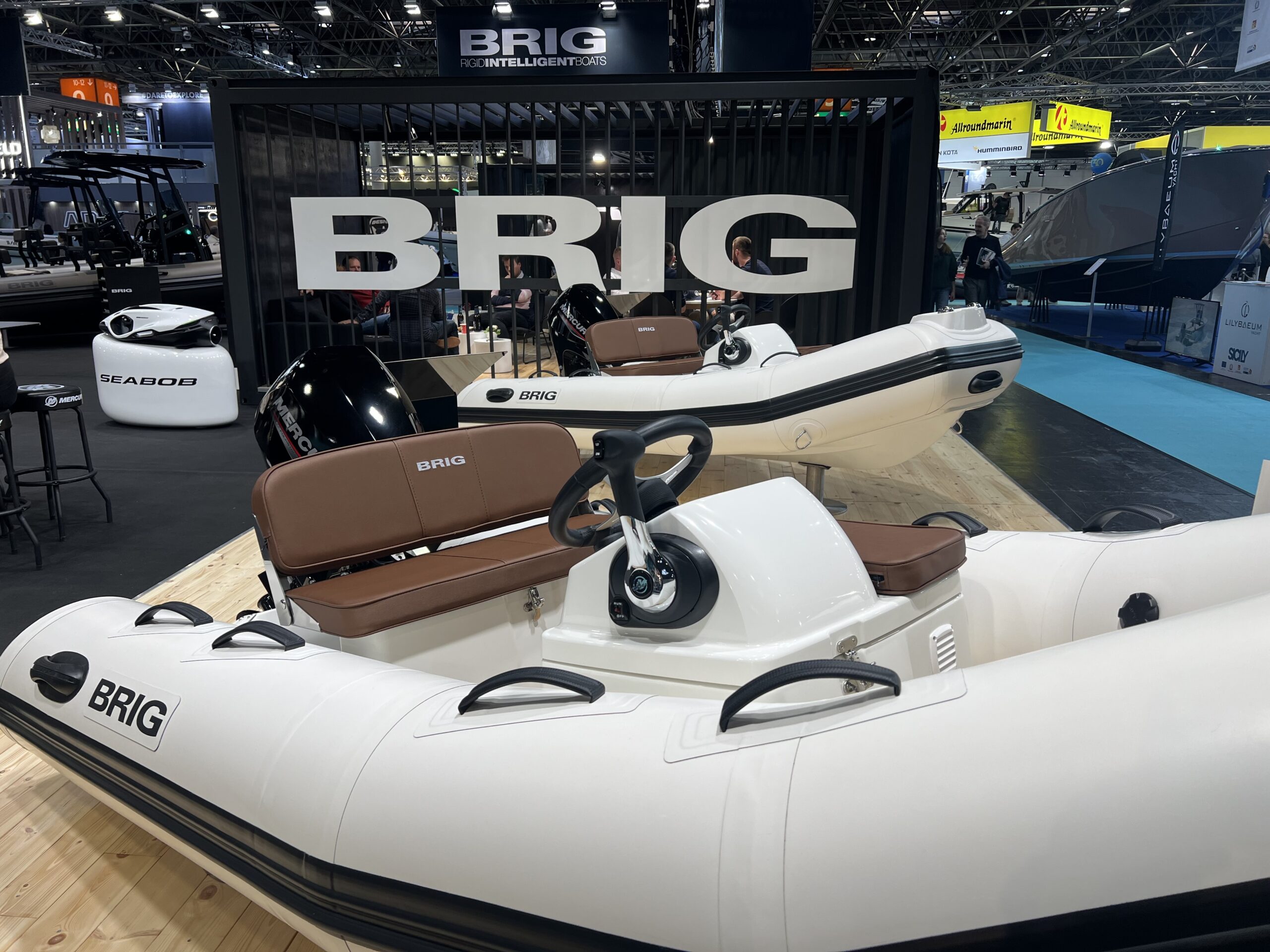
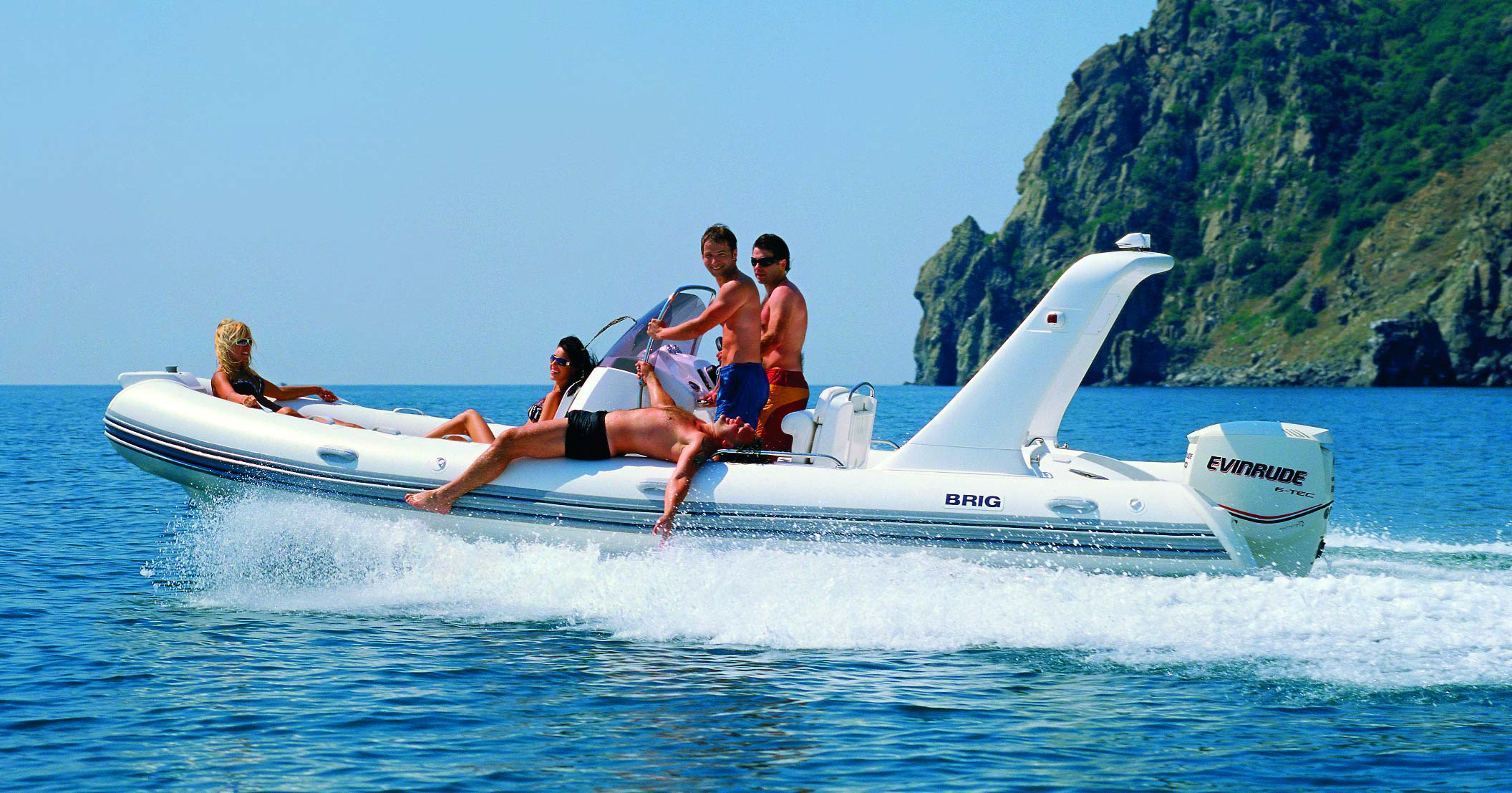
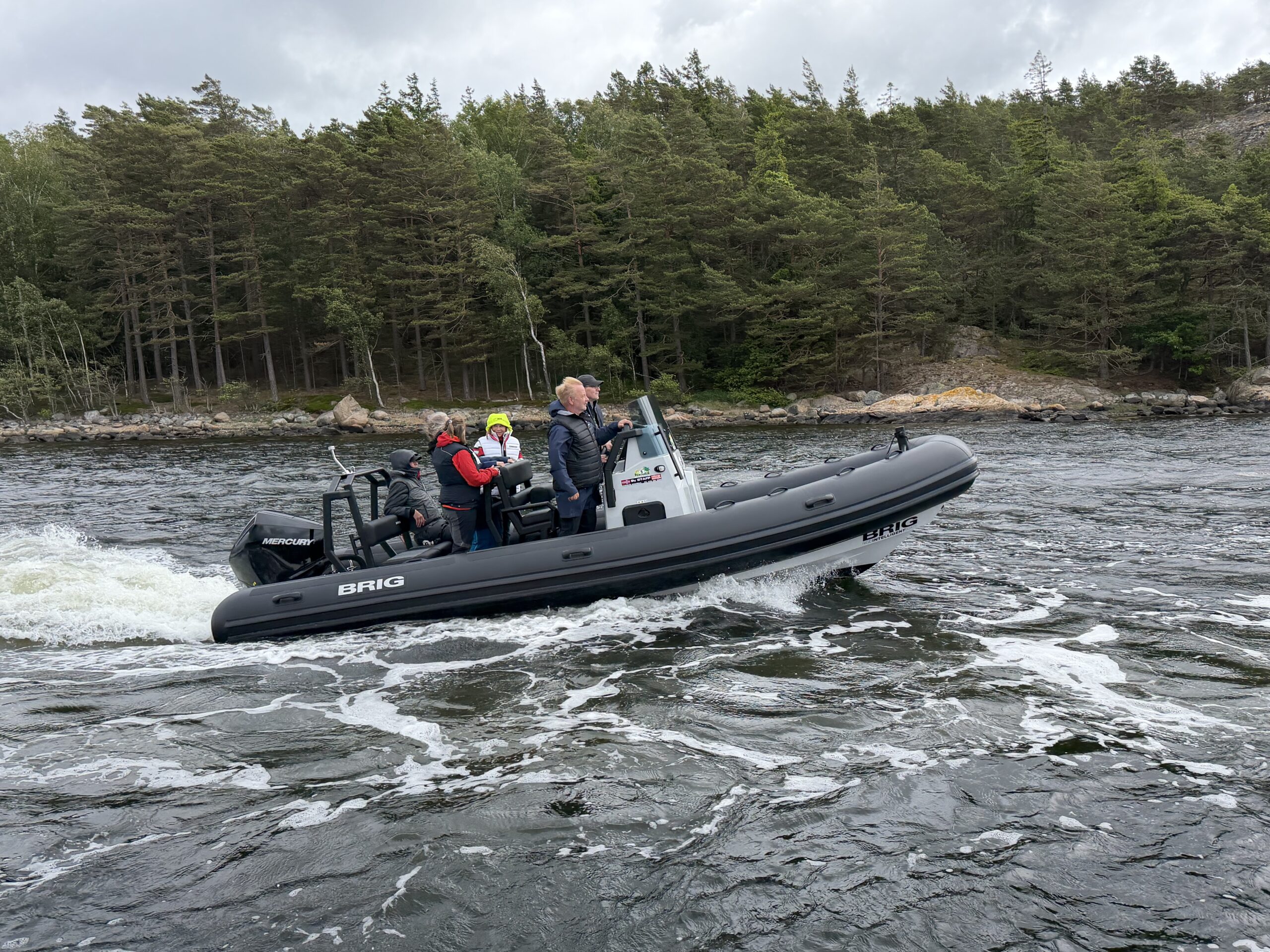


A yacht tender may be one of the smallest boats in the marina, but it often has one of the busiest jobs. It carries guests ashore, transports supplies, helps with everyday activities around the yacht and sometimes becomes the preferred way to explore a coastline that the larger vessel cannot approach.
For some owners, the tender is primarily a practical connection between yacht and shore. For others, it is a recreational boat in its own right, used for swimming trips, watersports and excursions. Many need to fulfil both roles.
Choosing the right tender means considering these activities alongside a second set of requirements: how the boat will be stored, launched, recovered and secured aboard the parent yacht.
A tender can be excellent on the water yet unsuitable for a particular yacht. The best choice is one that fits the yacht’s equipment and operating arrangements while remaining comfortable and capable for the journeys it will actually make.
Start with the tender’s everyday role
Before comparing models, consider what the tender will do most often.
Some yachts use their tenders mainly for short transfers between an anchorage and a nearby harbour. Others depend on them for longer journeys, provisioning, transporting equipment or taking guests to beaches and restaurants.
A tender may also be used for watersports, coastal exploration or independent day trips while the parent yacht remains at anchor.
These activities influence the layout and equipment you need.
For regular guest transfers, comfortable seating, convenient boarding and secure handholds may be particularly important. A tender used for supplies or equipment benefits from accessible deck space and practical storage. If longer excursions are common, helm comfort, fuel capacity and protection from the elements become more relevant.
It is worth identifying the tender’s primary role and its most important secondary uses. Trying to accommodate every possible activity can lead to a boat that is larger, heavier or more complicated than necessary.
1. The yacht sets the first limits
Unlike a standalone recreational boat, a tender must fit within the physical and operational limits of another vessel.
The parent yacht may have a dedicated tender garage, a hydraulic platform, a crane, davits or another launching arrangement. Each system places constraints on the tender’s dimensions, weight and handling.
These limits should be established before choosing a model.
The yacht’s documentation and equipment specifications are the starting point. They may identify maximum permitted loads, available storage dimensions and restrictions relating to the tender’s position.
A yacht’s ability to carry a tender should never be judged by available space alone. The supporting structure, lifting equipment, securing arrangements and effects on the yacht’s loading and stability must also be considered.
Where the suitability of a proposed tender is uncertain, consult the yacht manufacturer, naval architect or an appropriately qualified marine specialist.
2. Measure more than the length
Tender length is often the first dimension owners consider, but it is rarely the only one that matters.
The overall beam, height, tube diameter, engine dimensions and shape of the bow and stern can all influence whether the tender fits its intended storage position.
A boat may be short enough for a garage but too wide to pass through the opening. Another may fit on a platform yet interfere with access, visibility or equipment when secured.
The outboard engine deserves particular attention. Its position when tilted or turned can change the overall dimensions of the installation.
Optional equipment such as consoles, windscreens, arches and seating arrangements can also affect storage clearance.
When checking fit, use the actual dimensions of the proposed configuration rather than relying solely on a model’s nominal length.
{Illustration: A measured technical drawing of a tender showing overall length, beam, maximum height and the engine’s relevant storage positions. A second outline could show the available garage or platform envelope. All dimensions should be taken from verified manufacturer data.}
3. Understand the real lifting weight
Weight is one of the most important tender-selection criteria, particularly when the boat will be carried by a crane, davits or lifting platform.
The figure published in a brochure may not represent the weight of the complete tender as it will be lifted.
Depending on the manufacturer’s definition, a stated boat weight may exclude the engine, fuel, battery, optional equipment or other items.
The actual lifting load may include the complete boat, engine, installed equipment, remaining fuel and any gear that is permitted to remain aboard during lifting.
Lifting arrangements must be assessed against their rated capacity and the yacht manufacturer’s requirements, including any applicable restrictions and operating conditions.
It is also important to consider how the load is distributed. The position of the tender’s centre of gravity affects lifting balance and may influence the suitability of the equipment and lifting points.
A tender that falls within a nominal weight limit may still require further assessment if its geometry or centre of gravity is unsuitable.
(Internal link: RIB Weight Explained: Why Every Kilogram Matters.)
4. Choose a layout that makes boarding easy
A yacht tender is frequently used for boarding and disembarking, sometimes several times in a single day.
The layout should make these movements as convenient and secure as possible.
Consider how guests will step aboard from the yacht, a pontoon or a quay. Look at the position of the tubes, seating, handholds and available foot space.
The ideal boarding arrangement depends on the relative heights and movement of the vessels involved. A low pontoon, a high quay and a yacht’s stern platform may each present different challenges.
It is also worth thinking about passengers who are less familiar with boating. A clear route from the boarding point to a suitable seat can make transfers easier and more comfortable.
Storage compartments should remain accessible without requiring passengers to move unnecessarily, and equipment should not obstruct normal circulation.
A tender that feels spacious in a showroom may behave differently when several people board with bags or supplies.
5. How many passengers will it really carry?
Passenger capacity is an important specification, but it should not be confused with the number of people who can travel comfortably on a regular basis.
The manufacturer’s maximum permitted capacity is a limit that must be respected. It does not necessarily indicate how many guests can enjoy a longer journey with the seating and space they prefer.
Think about the normal number of passengers, the occasional maximum group and the type of journeys involved.
For short transfers, practical boarding and suitable seating may be the main considerations. For longer trips, back support, protection from wind and spray, and space for personal belongings become increasingly important.
The distribution of passengers and equipment also affects trim and handling, so loading should follow the manufacturer’s instructions.
When comparing tenders, consider both the certified capacity and the actual seating arrangement.
6. RIB tender or another type of boat?
Rigid inflatable boats are widely used as yacht tenders because their combination of a rigid hull and inflatable collar offers several practical advantages.
The tubes provide additional buoyancy and a relatively forgiving perimeter, which can be useful when operating near the parent yacht or approaching a pontoon. The rigid hull allows the boat to be designed for predictable handling and efficient movement through the water.
However, not every tender needs to be a RIB.
Small hard-sided tenders, lightweight inflatables and other specialised designs may suit particular yachts or operating arrangements. Each involves different compromises in weight, storage, maintenance and performance.
A RIB is often attractive when the tender will be used regularly and needs to combine practical transfers with recreational boating.
The decision should still be based on the complete boat, including its dimensions, construction, propulsion and compatibility with the yacht.
(Internal links: What Is a RIB? A Simple Guide to Rigid Inflatable Boats and RIB vs Hard Boat: What’s the Real Difference?)
7. How much engine power does a tender need?
A tender’s engine should be selected around its intended duties rather than maximum speed alone.
A boat used mainly for short harbour transfers may have different power requirements from one carrying passengers and equipment over longer distances.
The hull design, total weight, normal loading and operating conditions all influence the appropriate engine choice.
More power can provide additional acceleration or performance capability, but it may also increase weight and cost. On a tender carried aboard a yacht, engine weight can be particularly significant.
The engine must remain within the tender manufacturer’s approved specifications, including any limits relating to power and installation weight.
For owners who expect to use the tender for longer excursions, fuel consumption and practical operating range deserve attention. For short transfers, simplicity, manoeuvrability and ease of operation may be more important.
(Internal link: How Much Power Does Your RIB Really Need?)
8. Think about launching and recovery
A tender may be launched and recovered many times during a cruising season. The process should be suitable for the yacht’s equipment and manageable by the people who will operate it.
Different yachts use different systems, and each has particular requirements.
A crane installation may require a compatible lifting arrangement and sufficient clearance throughout the lifting path. Davits require suitable attachment geometry and load distribution. A hydraulic platform has its own weight, securing and operational limits.
The tender’s lifting points must be approved for the intended arrangement. Ordinary handles, cleats and other fittings should not be assumed suitable for lifting.
The boat also needs an appropriate securing system for storage and passage-making. The forces experienced by a yacht underway can differ significantly from those involved when a tender is stationary alongside.
Launching and recovery should follow the equipment manufacturer’s procedures, with attention to sea conditions, personnel safety and the yacht’s operating instructions.
[Yacht installation specialist interview suggestion: What are the most common compatibility problems encountered when an owner selects a tender without checking the yacht’s lifting and storage arrangements?]
{Illustration: A verified sequence of a tender being recovered onto a yacht’s platform or lifted by a crane. Show the approved lifting or recovery arrangement clearly, without implying that the same method applies to every yacht.}
9. Storage: garage, platform or davits?
The way a tender is stored influences the boat you can choose.
A dedicated garage provides protection from the elements but imposes strict dimensional limits. Height and access clearance may be particularly important, along with the ability to move the tender into its final position.
A stern platform can offer convenient access and may simplify some aspects of launching and recovery, depending on the system. However, the platform’s load rating, securing arrangements and the effect on the yacht’s operation must be assessed.
Davits can be a practical solution on suitable yachts, but the tender’s weight, dimensions and lifting geometry must be compatible with the installation.
The preferred arrangement also affects maintenance and cleaning. A tender stored in an enclosed space may have different ventilation and access requirements from one exposed to sun and saltwater.
There is no universal best storage method. The right solution depends on the parent yacht and its equipment.
(Internal link: RIB Storage: Trailer, Marina, Davits or Garage? — forthcoming article.)
10. Saltwater, sunlight and tube materials
A yacht tender may spend considerable time outdoors, particularly during extended cruising.
Its tubes are exposed to sunlight, saltwater, temperature changes and contact with other surfaces. The choice of fabric and the quality of construction therefore matter.
PVC-based and CSM-based tube fabrics are both used in inflatable boats. Their properties and long-term behaviour depend on the specific materials, manufacturing processes and exposure conditions.
CSM-based fabrics are generally valued for their weathering and UV resistance, while suitable marine-grade PVC fabrics can also provide reliable service when properly selected and maintained.
The most appropriate material depends on the intended use, storage conditions and manufacturer’s recommendations.
A tender stored inside a garage may experience a different exposure pattern from one carried uncovered on a platform throughout the season.
Regular cleaning, correct inflation, inspection and suitable protection remain important regardless of material.
(Internal link: PVC vs CSM/Hypalon: Which RIB Tube Material Is Right for You?)
11. Equipment that makes a tender more useful
The best tender equipment is the equipment that supports its everyday tasks.
For guest transfers, suitable seating, handholds and practical boarding arrangements may be priorities. For independent excursions, navigation equipment, storage and weather protection may become more important.
Other useful features can include a boarding ladder, practical mooring points, accessible fuel arrangements and storage for safety equipment.
However, every additional feature has implications for weight, dimensions, maintenance and sometimes storage clearance.
A console or windscreen may improve comfort underway but increase the boat’s overall height. Additional seating can improve passenger accommodation while reducing open deck space.
It is therefore worth distinguishing essential equipment from optional features that will rarely be used.
A tender should remain straightforward to operate and maintain, particularly when it serves as an everyday part of the yacht’s routine.
12. Don’t overlook service and maintenance
A tender may be a secondary boat, but it still requires proper maintenance.
The engine, fuel system, steering, electrical equipment, tubes and hull all need inspection and servicing in accordance with the manufacturer’s instructions.
A yacht that travels between different countries or cruising regions may also require access to service support away from its usual home port.
Consider the availability of replacement parts, authorised engine servicing and suitable repair facilities for the tender’s construction.
Storage arrangements matter here as well. A boat that is difficult to access may make routine cleaning and inspection less convenient.
Owners should also consider how the tender will be protected when the yacht is not in use for an extended period.
A well-supported tender can be easier to keep ready for regular operation than one selected without considering its long-term maintenance needs.
13. A practical tender-selection checklist
Before choosing a tender, confirm the following:
| Question | Why it matters |
|---|---|
| What will the tender do most often? | Determines layout, seating and equipment priorities |
| What are the yacht’s dimensional limits? | Confirms whether the tender can be stored and moved into position |
| What is the maximum permitted load? | Establishes lifting and carrying constraints |
| What is the complete tender weight? | Includes engine and relevant equipment, not just bare-hull weight |
| Where is the centre of gravity? | Influences lifting balance and installation compatibility |
| How will guests board? | Affects layout and practical access |
| How many people will normally travel? | Helps distinguish capacity from everyday comfort |
| Which engine configurations are approved? | Supports suitable performance and installation |
| How will the tender be secured? | Essential for safe storage and passage-making |
| Is service support available? | Important for reliable long-term ownership |
These questions should be resolved with the yacht’s documentation, the tender manufacturer and, where necessary, a qualified installation specialist.
A tender should feel like part of the yacht
The best yacht tender is not necessarily the smallest boat that fits the garage or the fastest boat the platform can carry.
It is the one that works naturally with the yacht and its owner’s routine.
A suitable tender should be straightforward to launch, comfortable for the people who use it, practical for everyday transfers and capable of the recreational activities expected of it. Its dimensions, weight and equipment must also be compatible with the parent yacht’s approved arrangements.
Once those requirements are established, choosing between different hulls, layouts and engine options becomes much easier.
A well-chosen tender is more than a way to reach the shore. It becomes a useful extension of the yacht, making the surrounding coastline, harbours and anchorages more accessible.