


A yacht may be the centre of attention when it arrives in a beautiful anchorage, but the tender is often the boat that keeps the day moving.
It brings guests ashore, collects supplies, carries people to the beach and provides the connection between the yacht and the world around it.
In many ways, the tender does the work that makes the larger vessel’s comforts possible.
Rigid Inflatable Boats have become familiar yacht tenders because their design can combine practical handling, useful passenger arrangements and adaptable layouts. Yet choosing the right tender requires considerably more thought than selecting a small boat that happens to fit on the platform.
A good tender must work for the yacht, the crew and the people who will use it every day.
The tender’s first job: getting people ashore
The most familiar tender duty is transferring passengers between the yacht and shore.
This may involve a short journey to a marina pontoon, a waterfront restaurant or a suitable landing area.
For guests, comfort and boarding access are often more noticeable than engine performance.
Seating should be appropriate for the journey, handholds should be accessible and movement between the tender and yacht should be carefully managed.
The height of boarding points, the relative movement of the vessels and the conditions at the destination all matter.
A well-designed tender can make these transfers feel straightforward, but safe procedures and competent crew remain essential.
A practical working boat
Passenger transfers are only one part of the tender’s routine.
Crew may use it to carry supplies, move equipment or support various activities around the yacht.
This makes deck layout particularly important.
A tender with generous seating may be comfortable for guests but less convenient when carrying bulky equipment. A more open layout may be useful for utility duties but offer fewer comfort features.
The right compromise depends on the yacht’s operating style.
Some tenders spend most of their time moving guests between the yacht and shore. Others are expected to handle a much broader range of work.
The tender as an adventure boat
Once the essential duties are complete, the tender can become the centre of the day’s recreation.
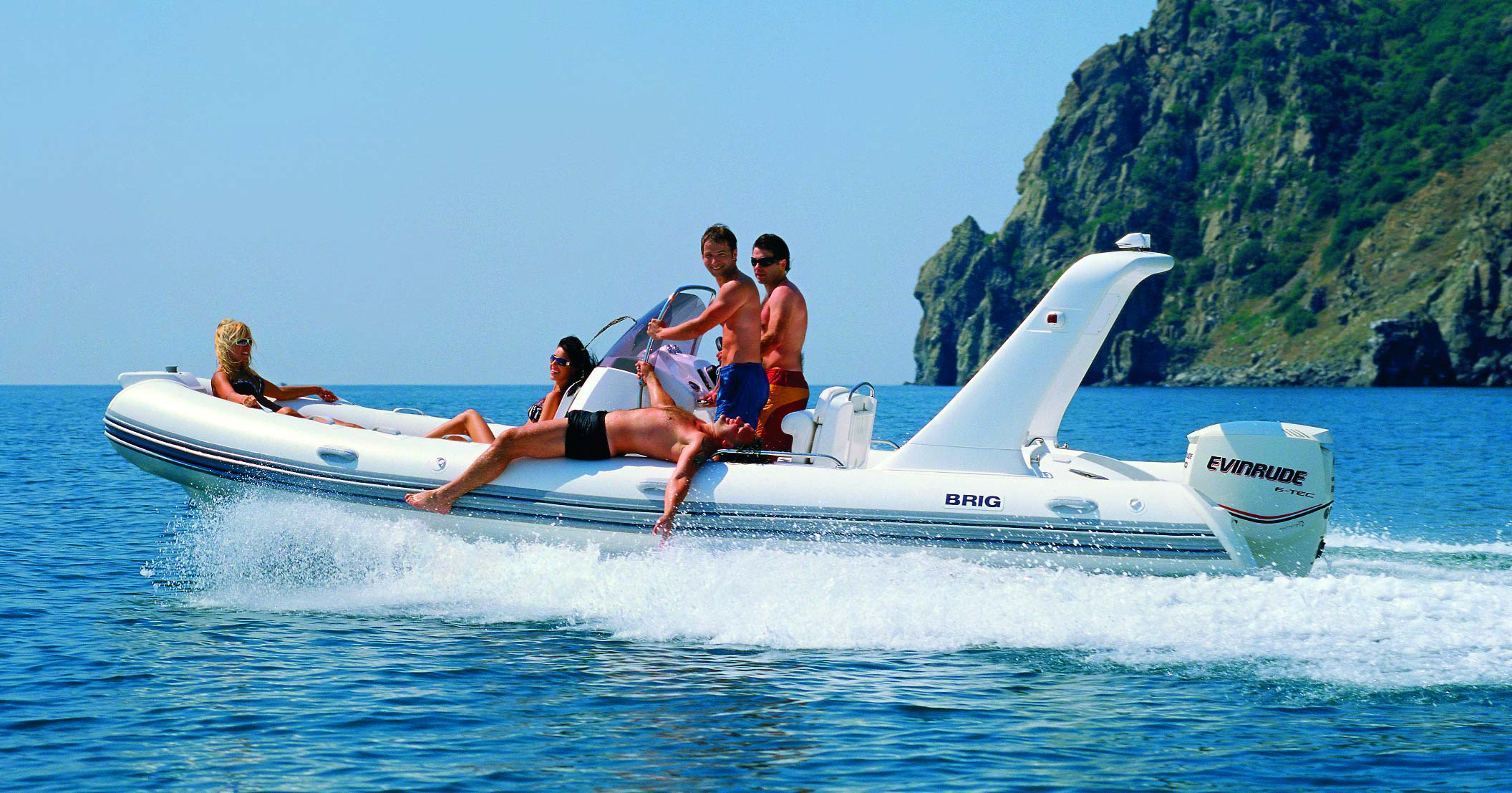
A suitable RIB may take guests swimming, exploring a coastline or visiting a nearby bay that the parent yacht cannot conveniently approach.
For some owners, these trips are among the most memorable parts of a voyage.
A tender with comfortable seating, practical storage and appropriate equipment can therefore offer more than basic transport.
The important point is to match recreational ambitions to the boat’s actual capabilities, approved loading and operating limits.
Size, weight and the yacht’s limits
Tender selection must begin with the parent yacht’s approved storage and lifting arrangements.
The boat’s overall dimensions, complete weight and centre of gravity must be compatible with the installation.
The engine, fuel, batteries and optional equipment all contribute to the actual load.
A tender that fits physically on a platform may still exceed the permitted lifting capacity or create unsuitable loading conditions.
The lifting points, securing system and operating procedures must also be appropriate.
Compatibility should be confirmed using the relevant yacht and equipment documentation, with qualified professional input where necessary.
(Internal links: How to Choose a Yacht Tender and RIB Storage: Trailer, Marina, Davits or Garage?.)
{Illustration: A verified tender lifting arrangement showing the RIB, approved lifting points and platform or davit system. Avoid invented load ratings or unsupported lifting geometry.}
Engine choice and everyday handling
Tender engines should provide suitable performance for the intended loading and operating conditions.
However, maximum speed is rarely the most important consideration.
Predictable low-speed handling, dependable starting, manoeuvrability and practical maintenance can be especially valuable.
The engine must remain within the boat’s approved installation limits and the yacht’s complete tender-weight allowance.
Service support also matters, particularly for yachts travelling between different regions.
For a frequently used tender, reliability and ease of operation are often more important than extracting the last few knots of performance.
Guest comfort matters
A tender journey may be short, but guests will notice how it feels.
Supportive seating, sensible boarding arrangements, useful handholds and suitable protection from spray can make a substantial difference.
The boat should also provide appropriate space for bags and personal belongings.
The needs of older passengers or people with reduced mobility deserve particular consideration, although no tender layout should be assumed universally accessible.
The yacht’s crew should establish safe boarding procedures suited to the vessel, passengers and conditions.
Storage and protection aboard the yacht
A tender carried aboard a yacht may spend considerable time exposed to sunlight, salt spray and weather.
Where suitable, covers and protected storage can reduce exposure.
However, equipment must be secured correctly, drainage and ventilation requirements must be respected, and lifting arrangements must not place inappropriate loads on the tubes or hull.
Maintenance access is another practical consideration.
A tender stored in a tight garage may be protected from the weather but more difficult to inspect or service.
Storage should be evaluated as part of the complete ownership experience, not simply as a question of whether the boat fits.
When the tender becomes the favourite boat
There is a good reason some yacht owners become particularly attached to their tenders.
The yacht provides the destination and the comforts of home. The tender provides the little journeys that make the destination interesting.
It carries everyone to the beach, finds the waterfront restaurant and makes an unexpected afternoon excursion possible.
A well-chosen RIB can perform these duties without becoming unnecessarily complicated.
It may never receive quite the same attention as the yacht, but it often has the more interesting working day.