


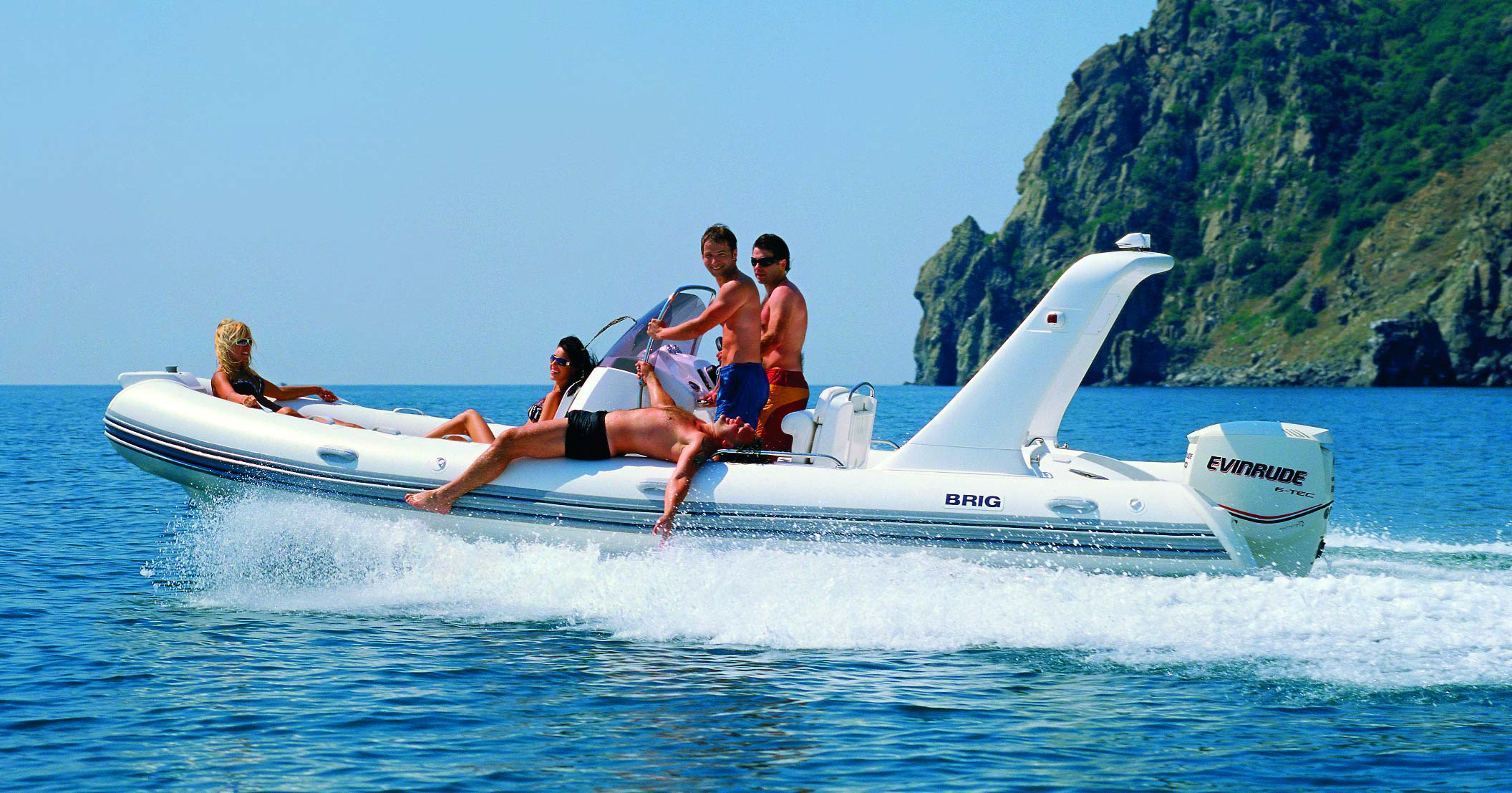
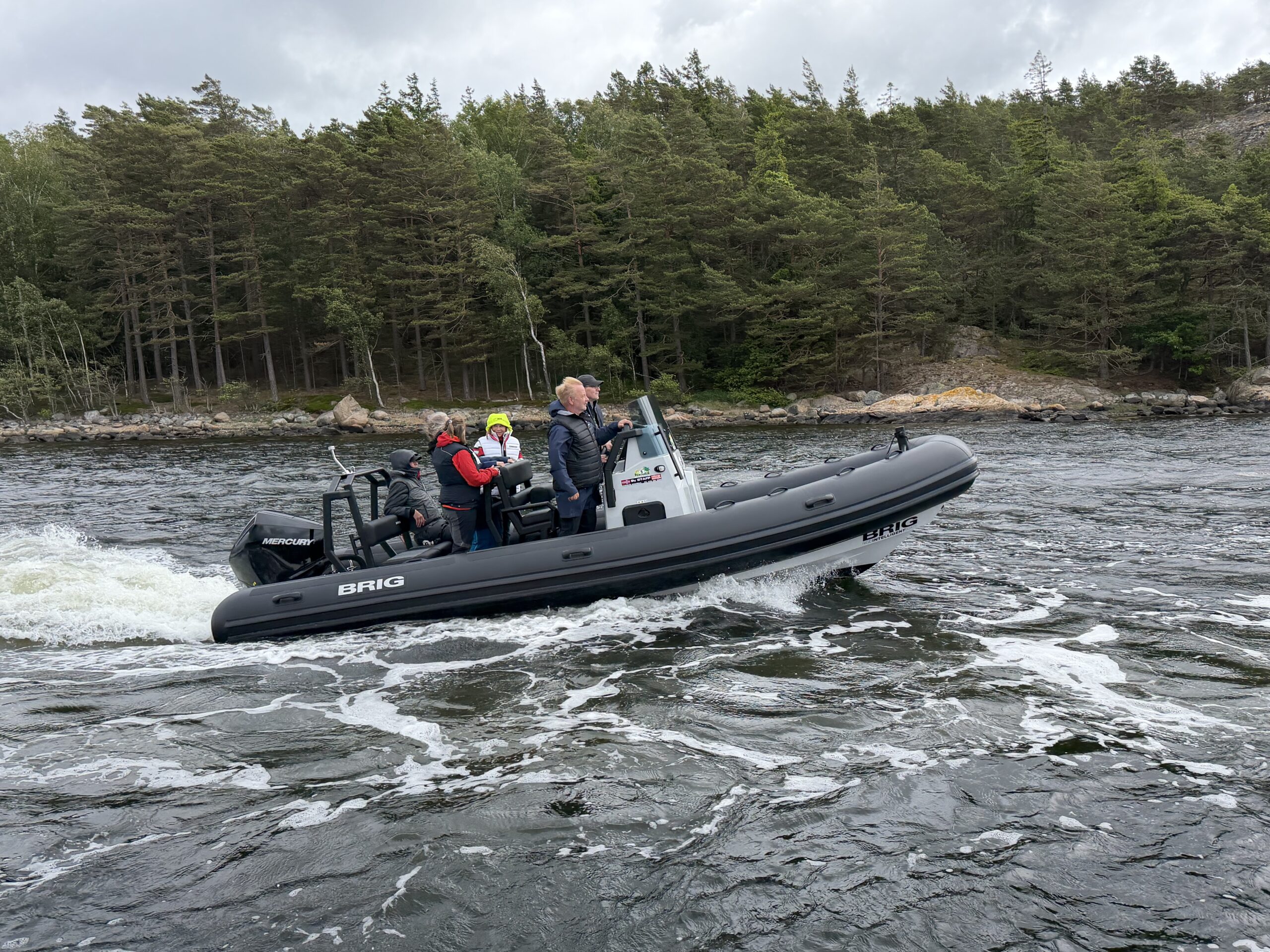



There is something particularly satisfying about approaching an island from the water.
From a distance, it may be little more than a shape on the horizon. As you get closer, the coastline begins to reveal itself: a sheltered bay, a small harbour, a cluster of houses above the shore.
Then you arrive, tie up the boat and discover a place that feels entirely different from where the morning began.
Island hopping is one of the great pleasures of recreational boating, and a suitable RIB can make it wonderfully accessible.
You don’t necessarily need a large cruising yacht to enjoy a day exploring neighbouring islands. What matters is choosing appropriate destinations, understanding the conditions and having a boat equipped for the journey.
The appeal of travelling between islands
Island hopping turns a day on the water into a series of small discoveries.
One island might offer a lively harbour and waterfront cafés. Another may be known for quiet anchorages, swimming or a particularly beautiful stretch of coastline.
Travelling by RIB allows the journey itself to become part of the experience.
You can enjoy the changing scenery, choose suitable stopping points and spend the day at your own pace.
The itinerary should remain flexible enough to account for weather, local restrictions and the needs of everyone aboard.
Why a RIB can be such a good choice
RIBs are available in a wide range of sizes and layouts, from compact recreational boats to larger coastal cruisers.
Depending on the model, they can offer an appealing combination of handling, passenger space and practical access to the water.
For short and moderate coastal passages, a suitable RIB may provide everything required for a day of exploration without the accommodation and systems of a larger yacht.
Its relative simplicity can be part of the attraction.
However, small size should never be confused with unrestricted access. Shallow water, rocks, surf, marine reserves and harbour regulations still require careful attention.
The right boat is the one that matches the route and conditions.
Start with a realistic route
A good island-hopping day begins before leaving the marina.
Identify the intended destinations, distances between them, available harbours and alternative places of refuge.
Check whether each location offers suitable mooring or anchoring arrangements.
Some islands have limited facilities, restricted landing areas or seasonal access rules.
It is useful to know which stops are essential and which can be skipped if the day develops differently.
A flexible route is usually more enjoyable than an ambitious schedule that leaves little room for changing conditions.
{Illustration: An illustrative map showing a departure harbour, two nearby islands, alternative shelter and a return route. Clearly mark it as an example rather than a navigational chart.}
Weather can change the entire day
Island passages deserve particular respect because stretches of water between landmasses can be exposed.
Wind, waves and currents may behave differently in channels and around headlands.
Conditions at the departure marina may not represent those along the entire route.
Before leaving, check appropriate marine forecasts and local information, including wind direction, sea state and expected changes.
Consider how the return journey may differ from the outward passage.
If conditions deteriorate or the forecast becomes uncertain, changing or cancelling the plan is part of good seamanship.
Fuel range and the journey home
Fuel planning is essential when visiting islands with limited refuelling facilities.
Calculate the expected journey using realistic fuel-consumption information, not simply the tank’s nominal capacity.
Allow for an appropriate reserve, potential detours and less favourable conditions.
A headwind, rougher sea or alternative return route can change consumption considerably.
When possible, identify reliable refuelling locations in advance rather than assuming fuel will be available at every harbour.
(Internal link: How to Choose a RIB for Coastal and Offshore Boating.)
What to bring aboard
The equipment needed depends on the route, conditions and local requirements.
Appropriate safety and communication equipment must take priority.
Beyond that, comfortable island hopping benefits from practical preparation: drinking water, sun protection, suitable clothing, food and a way to keep personal belongings secure.
A change of clothing can be welcome after swimming, particularly if the return journey is cooler or windier.
Good storage helps keep the deck clear and makes frequently used items accessible.
For families, planning around everyone’s comfort can be just as important as choosing the destination.
Anchoring and visiting ashore
Not every attractive bay is suitable for anchoring.
Depth, seabed type, weather, currents, available swinging room and local restrictions must all be considered.
Protected marine habitats may be subject to anchoring prohibitions or designated mooring requirements.
When visiting a harbour, check the applicable procedures and availability of visitor berths.
Boarding and disembarking should be managed carefully, especially when conditions or quay heights make access difficult.
A little preparation prevents a beautiful destination from becoming an awkward arrival.
The pleasure of leaving room for surprises
A well-planned route doesn’t have to be rigid.
Perhaps a planned swimming stop becomes the highlight of the day. Perhaps a harbour café proves too inviting to leave quickly. Or perhaps the best decision is to visit just one island and spend more time enjoying it.
The flexibility of a recreational RIB can make these changes easy, provided they remain within the boat’s capabilities and the conditions.
Island hopping isn’t a competition to visit as many places as possible.
Sometimes two good stops are better than five hurried ones.
Small boat, memorable journey
The charm of island hopping lies in the combination of movement and discovery.
A suitable RIB can take you from familiar waters to new places, with the freedom to enjoy the coastline along the way.
Choose a realistic route, prepare the boat, respect the weather and leave enough time to appreciate where you are.
The island may be the destination, but the journey is usually what makes the story worth telling.