

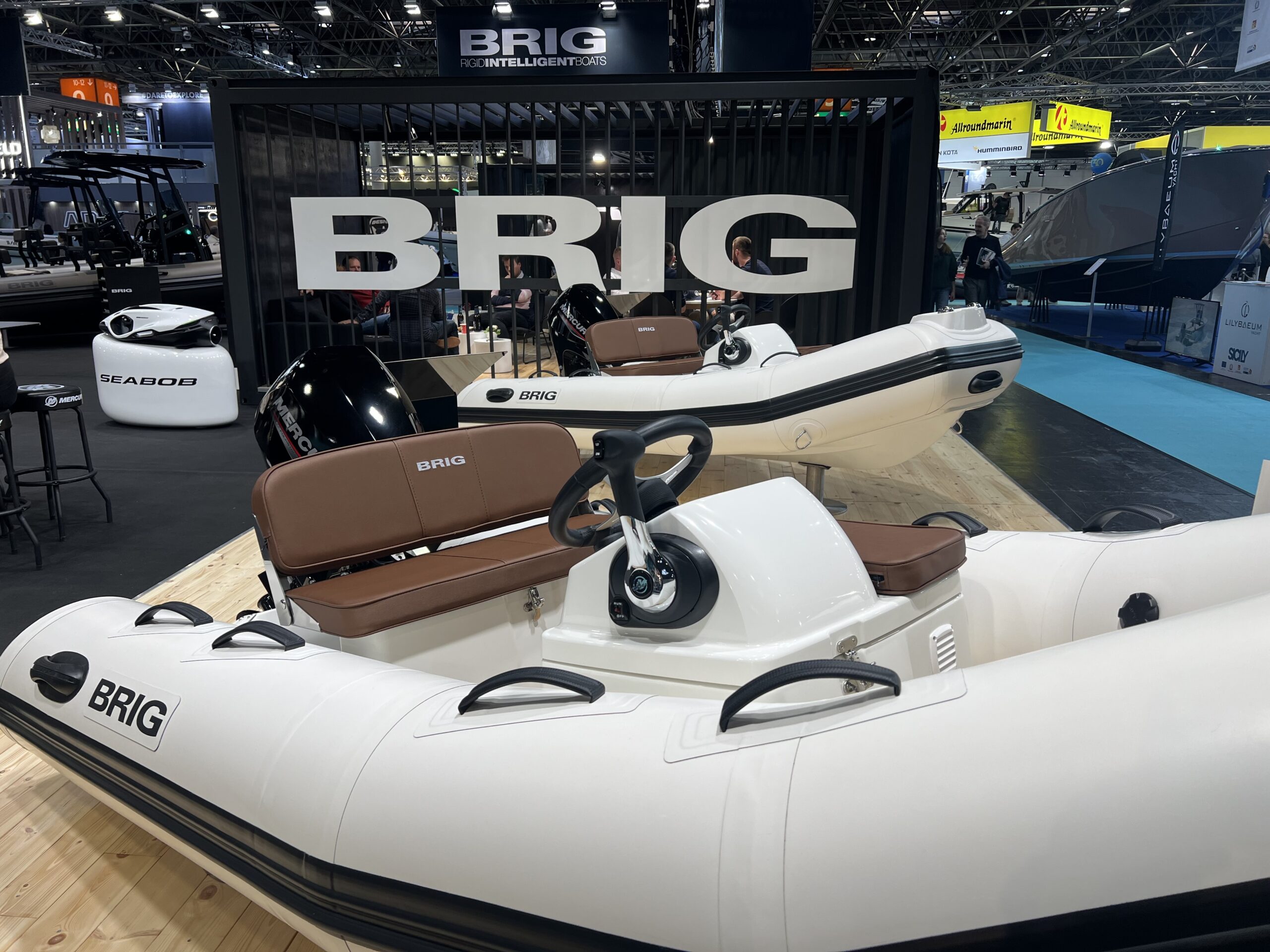
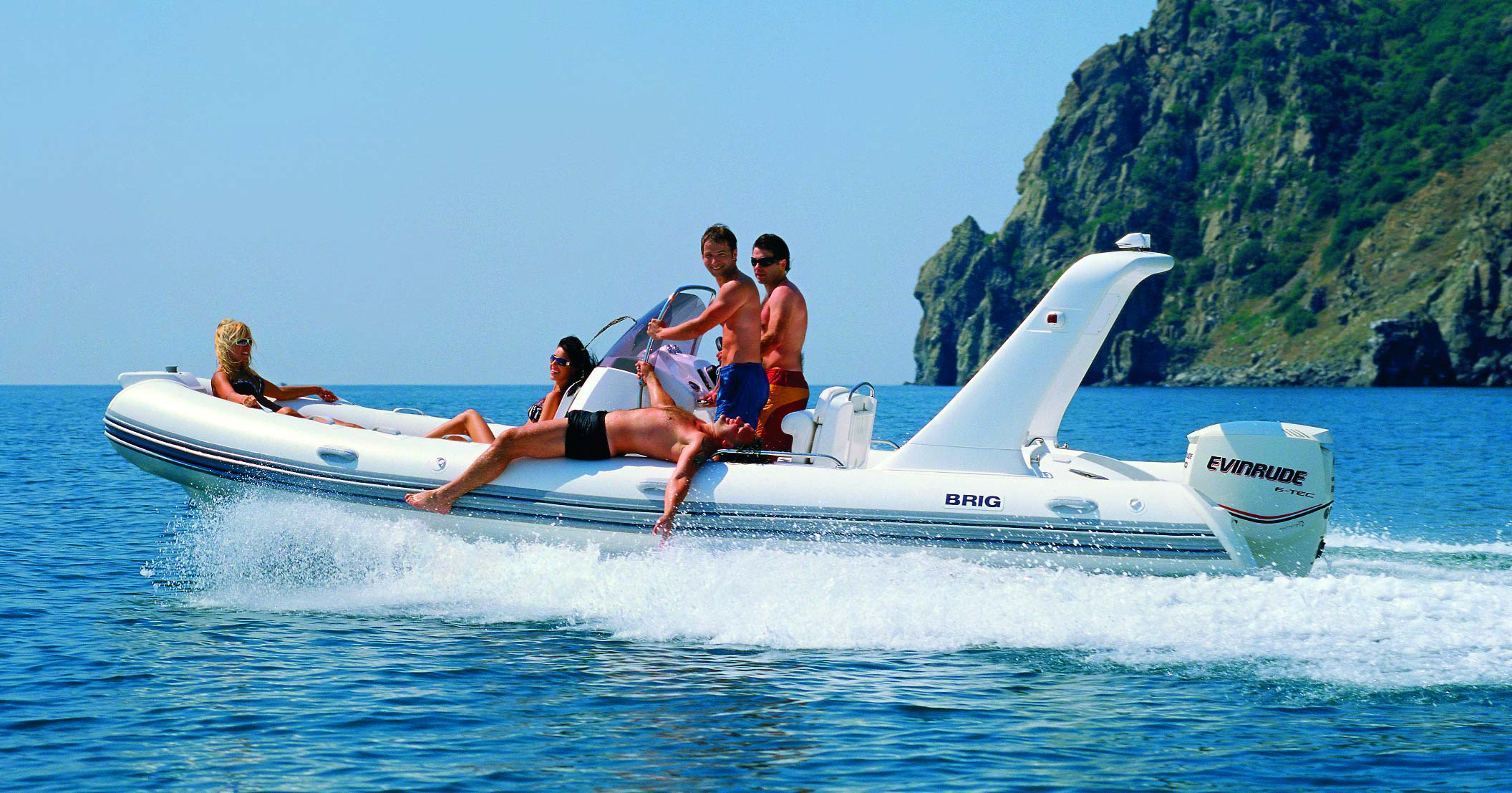
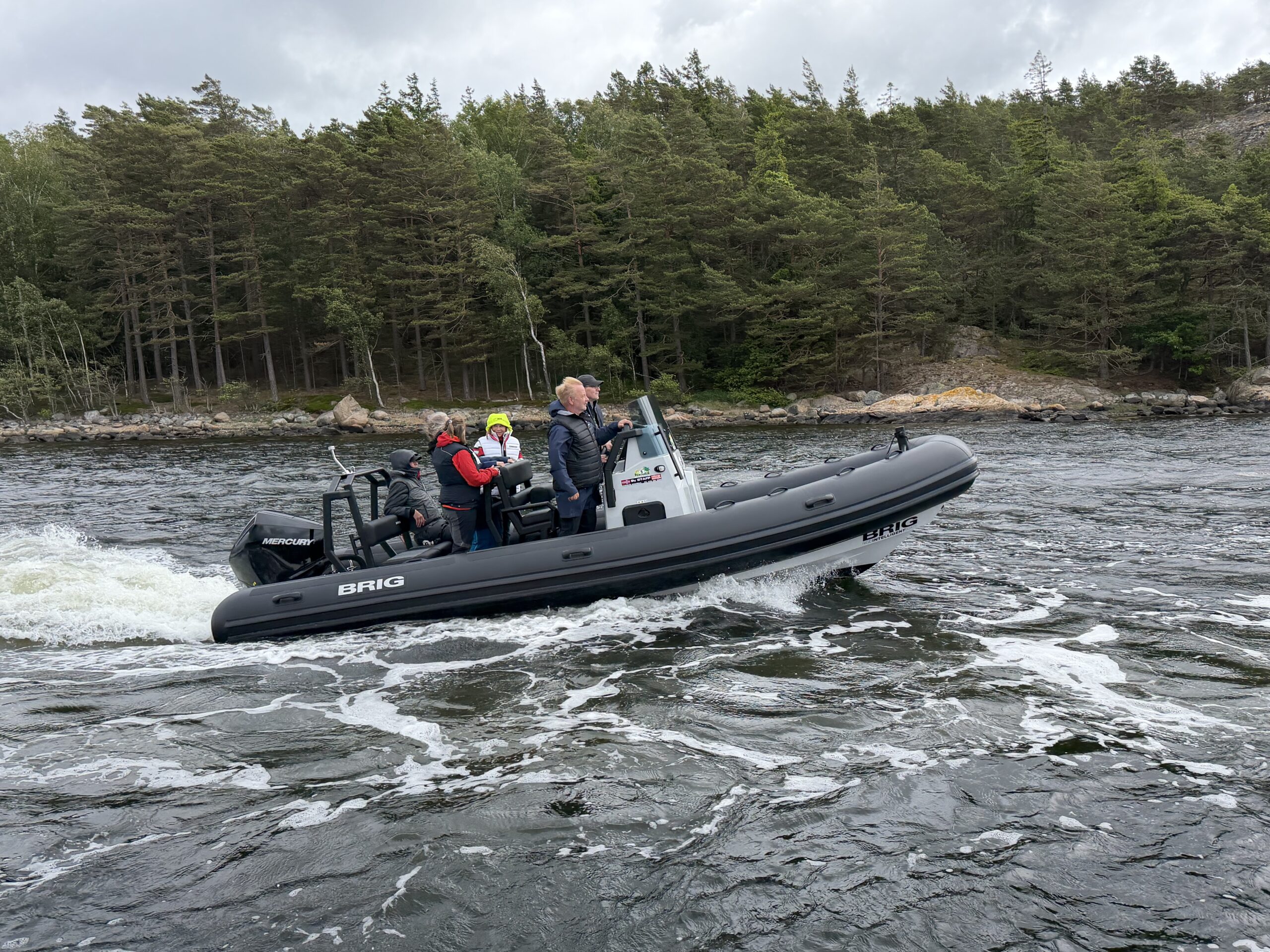



A quiet morning cruise is one way to enjoy a RIB. Adding a wakeboard, waterskis or a towable inflatable can turn the same stretch of water into an entirely different adventure.
For many families, watersports become a natural extension of recreational boating. The boat takes everyone to a suitable location, provides a place to prepare equipment and becomes the centre of the activity.
RIBs can be excellent platforms for certain watersports, but choosing the right tow boat involves more than fitting a powerful engine.
Acceleration, handling, approved towing arrangements, visibility and passenger safety all matter. Just as importantly, different watersports place different demands on the boat.
What makes a good watersports boat?
A good recreational tow boat needs to perform several tasks consistently.
It must accelerate with the intended load, maintain appropriate speeds, turn predictably and allow the skipper to monitor the activity safely.
It should also provide enough space for passengers and equipment without obstructing movement or access to safety gear.
The exact requirements depend on the sport.
Waterskiing, wakeboarding and towing an inflatable do not necessarily use the same speeds, tow points or operating techniques.
A boat that works well for one activity may need different equipment for another.
Engine power and acceleration
Engine power is an important consideration, but maximum horsepower alone does not determine towing performance.
Acceleration depends on the complete boat-and-engine combination, including weight, propeller selection, loading and hull characteristics.
The engine must be within the manufacturer’s approved installation limits.
A boat that reaches an impressive maximum speed may not necessarily deliver the most suitable low-speed response for a particular watersport.
When evaluating a RIB for towing, ask about real-world performance with passengers and equipment aboard.
(Internal link: How Much Power Does Your RIB Really Need?)
The importance of approved towing points
A secure, appropriately rated towing arrangement is essential.
A RIB may have a ski pole, towing eye, arch or other dedicated fitting, but these components are not automatically interchangeable.
Some attachment points are intended for mooring or securing the boat rather than towing a person.
A decorative arch or T-top should never be assumed suitable for watersports towing unless the manufacturer explicitly approves that use.
The attachment point, rope and other equipment must be compatible with the intended activity and loads.
For some sports, additional equipment or a different towing arrangement may be necessary.
Always follow the boat and equipment manufacturers’ instructions.
{Illustration: A close-up of an approved watersports towing arrangement on a verified BRIG model, showing the correct attachment point and clear separation from the engine.}
Handling and maintaining a suitable speed
Watersports often require consistent speeds and smooth changes in direction.
A predictable helm response and appropriate engine control can help the skipper maintain the desired course.
However, towing places additional demands on situational awareness.
The skipper must account for the person being towed, the tow line, nearby vessels, swimmers, shallow areas and changing conditions.
Turns should be planned and carried out appropriately for the activity.
The boat must also be operated within local watersports rules, including any speed restrictions, designated areas or distance requirements.
Visibility and the observer
Good visibility is essential when towing.
The skipper must maintain a proper lookout and should not become distracted by trying to watch the person behind the boat.
Depending on local regulations and the activity, a dedicated observer may be required. Even where not mandatory, an observer is an important safety measure.
The observer can monitor the participant, communicate with the skipper and help identify problems.
A clear system of agreed hand signals or other communication should be established before the activity begins.
Space for passengers and equipment
Watersports involve more equipment than the activity itself might suggest.
Boards, skis, tow lines, personal flotation equipment and towels all need to be carried securely.
The boat should provide suitable storage and enough working space to prepare equipment without creating hazards.
A boarding ladder or appropriate stern arrangement is also valuable when participants return to the boat.
The engine must be shut down before anyone approaches the propeller or boards from the water.
Passenger seating must remain appropriate for the conditions, and no one should sit in unsafe positions during towing.
Wake characteristics and boat choice
Different watersports benefit from different wake characteristics.
A recreational RIB may be well suited to towing a wakeboarder or waterskier, depending on its design and approved equipment.
However, it should not be assumed to reproduce the wake of a specialised inboard wake boat.
Hull geometry, displacement, trim and speed all influence wake formation.
This distinction is especially important for activities that depend on a particular wake shape or size.
A RIB may be an excellent multipurpose recreational boat without being the ideal platform for every specialised watersport.
A day that offers more than towing
The appeal of using a RIB for watersports is often its versatility.
Once the activity is finished, the same boat can take everyone swimming, explore the coastline or stop for lunch.
This makes a suitably configured recreational RIB particularly attractive to families who want several activities from one boat.
A dedicated tow boat may offer advantages for a particular sport, while a RIB can provide a broader range of uses.
The right choice depends on which activities matter most.
Make the fun part easy
Watersports are most enjoyable when the preparation, equipment and operating procedures are straightforward.
Choose a RIB with suitable performance, approved towing equipment, good visibility and practical deck arrangements.
Understand the requirements of the sport and follow the applicable safety guidance.
Then concentrate on the part everyone came for: enjoying the water, taking turns and perhaps discovering that someone in the family is a considerably better wakeboarder than expected.